
Tweezer Tops Pattern
Tweezer Tops Pattern - To execute a trade, place a sell order beneath the second candle, a stop loss above the pattern’s high, and a profit target under the entry point. It means that there is powerful support or resistance line. Web a tweezer top is a bearish reversal pattern seen at the top of uptrends and consists of two japanese candlesticks with matching tops. Web a tweezer is a technical analysis pattern, commonly involving two candlesticks, that can signify either a market top or bottom. I hope they are of value to you. Web want to spruce up the feel of your wardrobe? With the aid of optical tweezers and individual site addressability, they were able to load the lattice deterministically and entangle specific atoms with photons. No worries, as we are wrap top patterns to serve! Web tweezer top and bottom, also known as tweezers, are reversal candlestick patterns that signal a potential change in the price direction. Third, those candles must reach the same high point. In terms of location, there are two types of tweezers: To execute a trade, place a sell order beneath the second candle, a stop loss above the pattern’s high, and a profit target under the entry point. Web tweezer top and bottom, also known as tweezers, are reversal candlestick patterns that signal a potential change in the price direction. Web want to spruce up the feel of your wardrobe? First, there must be two or more adjacent candles of either color. Web this wrap crop top pattern will fit a u.s. Web the tweezer pattern is a double candlestick pattern that should appear in an existing trend. The tweezer top pattern is a candlestick pattern that every trader should have in their toolbox. 1] print and cut out templates. It is classified as a bearish reversal chart pattern. The tweezers top patterns are bearish, and the tweezers bottom are bullish. This pattern signals a potential reversal of the trend to the downside. The pattern is bearish because we expect to have a bear move after the tweezer top appears at the right location. This pattern can form at turning points in the market near support levels, signaling a. It consists of two candlesticks, the first one being bullish and the second one being bearish candlestick. Web this wrap crop top pattern will fit a u.s. Web tweezer tops and bottoms are revered candlestick patterns that help traders discern potential price reversals in the market. Web the tweezer top is a bearish reversal candlestick pattern that occurs after an. In this article, we will delve into the details of these patterns, understand their formation, and explore their application in trading strategies. My free wrap crop top pattern (includes sewing allowance, print at 100%) men’s large shirt / 1 yard of fabric. Third, those candles must reach the same high point. Web what is a tweezer top candlestick? These patterns. Trading the tweezer top is simple. Unlike the bullish tweezer bottom, the tweezer top formation’s first candlestick shows a potential bullish trend that tops out without a wick. The tweezer top candlestick is a bearish pattern made of two candlesticks in a chart. Both formations consist of two candles that occur at the end of a trend, which is in. It consists of two candles, where the first is bullish, followed by a bearish or bullish candle with the same high as the previous bar. To identify this bearish candlestick pattern, you’ll need to spot the following (very flexible) criteria: Demonstrate the ability to load rubidium atoms into an optical lattice placed in an optical cavity. 2] cut out your. Third, those candles must reach the same high point. I hope they are of value to you. Unlike the bullish tweezer bottom, the tweezer top formation’s first candlestick shows a potential bullish trend that tops out without a wick. Web the tweezer pattern is a double candlestick pattern that should appear in an existing trend. Demonstrate the ability to load. Web want to spruce up the feel of your wardrobe? Second, a clear uptrend should be present. A tweezers top is when two candles occur back to back with very similar highs. 2] cut out your fabric pieces, as well as 3 long bias strips. Web tweezers candlestick patterns are reversal chart structures, having two or more candles in which. It consists of two candles, where the first is bullish, followed by a bearish or bullish candle with the same high as the previous bar. Web what is the tweezer top pattern? Web wrap top sewing pattern roundup. Third, those candles must reach the same high point. First, there must be two or more adjacent candles of either color. Web tweezer tops and bottoms are revered candlestick patterns that help traders discern potential price reversals in the market. 2] cut out your fabric pieces, as well as 3 long bias strips. Third, those candles must reach the same high point. Trend traders can find a tweezer. Web july 12, 2024 / 4:08 pm edt / cbs news. Find 20 free wrap top patterns that are easy to sew a wrap top for your wardrobe. Web the tweezer top is a japanese candlestick pattern. It consists of two candlesticks, the first one being bullish and the second one being bearish candlestick. No worries, as we are wrap top patterns to serve! Web a tweezer is a technical analysis. These patterns occur after an uptrend or downtrend and signal that the current trend may be weakening. Web what is the tweezer top pattern? Web what is a tweezer top candlestick? It occurs during an uptrend when buyers attempt to push prices higher but cannot do so, frequently ending the session near the session tops. Web wrap top sewing pattern roundup. The tweezer top candlestick is a bearish pattern made of two candlesticks in a chart. Unlike the bullish tweezer bottom, the tweezer top formation’s first candlestick shows a potential bullish trend that tops out without a wick. Both formations consist of two candles that occur at the end of a trend, which is in its dying stages. Web tweezer tops and bottoms are revered candlestick patterns that help traders discern potential price reversals in the market. Web the tweezer top is a japanese candlestick pattern. I hope they are of value to you. Third, those candles must reach the same high point. Web the tweezer top pattern is defined as a bearish reversal pattern. In terms of location, there are two types of tweezers: This pattern can form at turning points in the market near support levels, signaling a bearish reversal. It consists of two candlesticks, the first one being bullish and the second one being bearish candlestick.
What Are Tweezer Tops & Tweezer Bottoms? Meaning And How To Trade

Candlestick Patterns The Definitive Guide (2021)
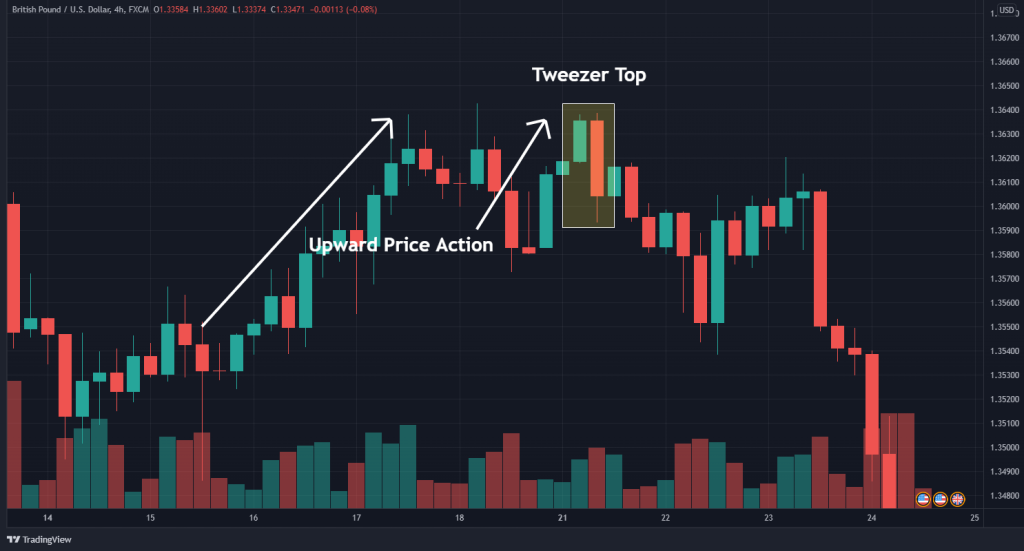
How To Trade The Tweezer Top Chart Pattern (In 3 Easy Steps)

What Are Tweezer Tops & Tweezer Bottoms? Meaning And How To Trade
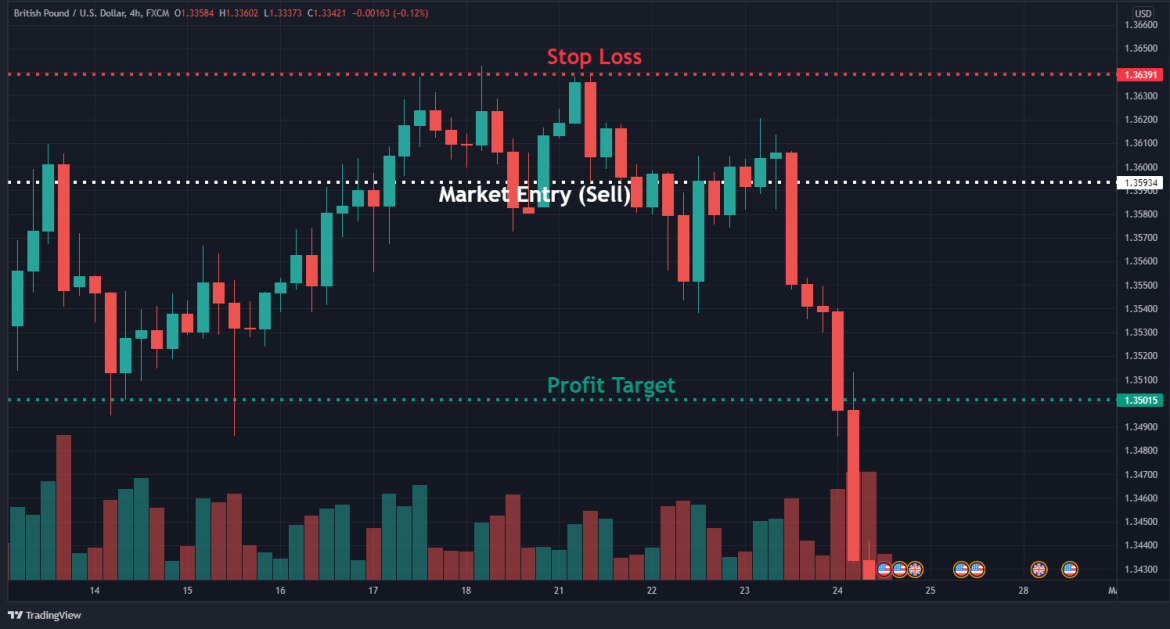
How To Trade The Tweezer Top Chart Pattern (In 3 Easy Steps)
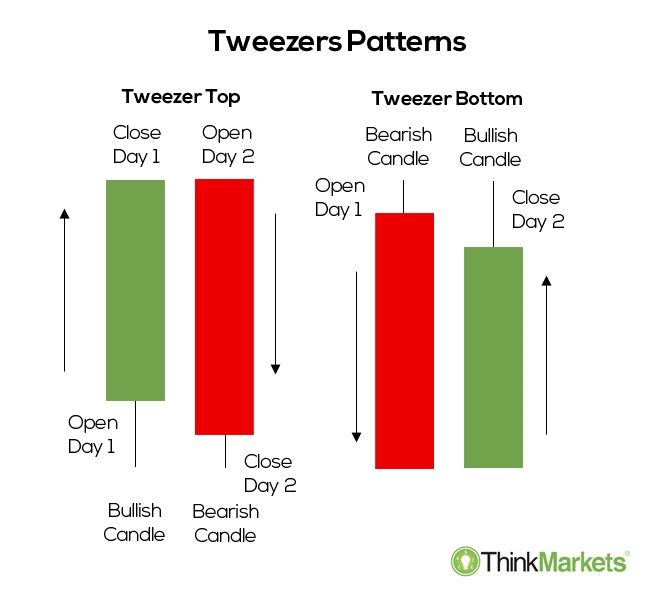
Tweezer Top Pattern Definition, its Significance, and Technical Analysis
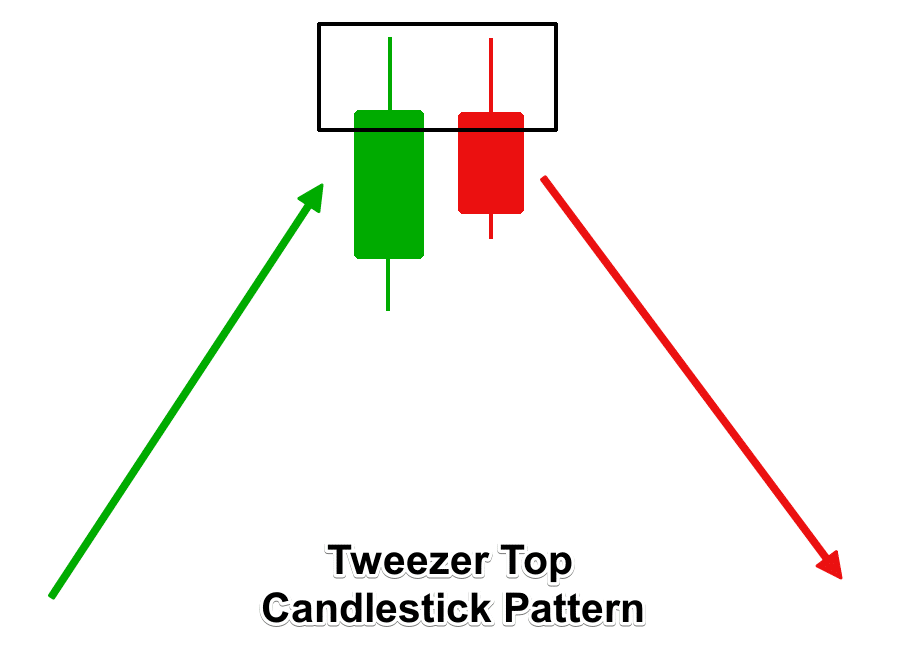
Candlestick Cheat Sheet for Forex Traders ForexBoat Trading Academy
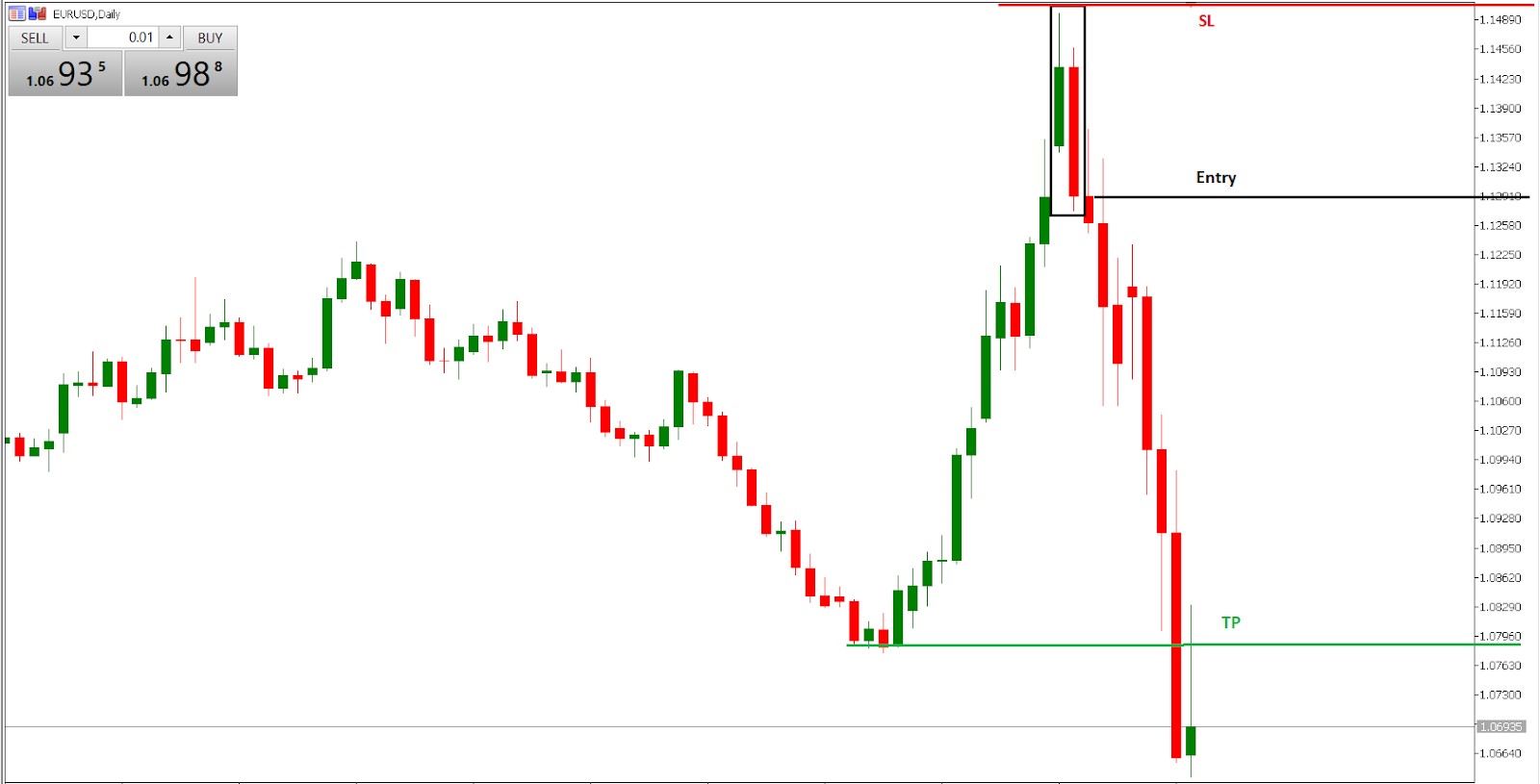
Tweezer Top Pattern Definition, its Significance, and Technical Analysis
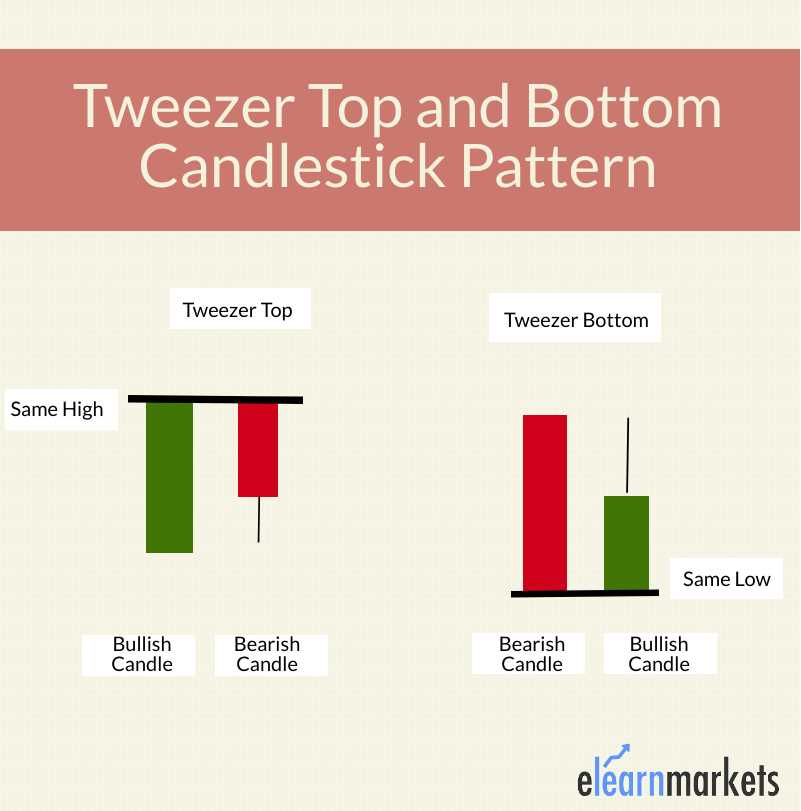
What are Top & Bottom Tweezer Candlestick Explained ELM

What Are Tweezer Tops & Tweezer Bottoms? Meaning And How To Trade
Web A Tweezer Top Is A Bearish Reversal Pattern Seen At The Top Of Uptrends And Consists Of Two Japanese Candlesticks With Matching Tops.
Trading The Tweezer Top Is Simple.
It Means That There Is Powerful Support Or Resistance Line.
A Tweezer Top Pattern Forms When Two Or More Consecutive Candlesticks Have The Same High Price,.
Related Post: