
Shoulder Pain Referral Patterns
Shoulder Pain Referral Patterns - For example, trigger points in the trapezius muscle or the rotator cuff muscles may cause referred pain from shoulder to hand. Web referred pain usually occurs after local pain has persisted for a certain period (5, 55). Pain in your arm might indicate one of several health conditions, including angina, shingles, fibromyalgia. These patterns are discussed in greater detail later in this text (see chapters 14 to 18 ). A shoulder pain diagram is a really useful tool when it. The referred pain occurs because of multiple primary sensory neurons converging on a single ascending tract. The pain is felt in the neck, left shoulder and down the left arm. Web causes of referred shoulder pain may include: Web pattern, severity, and type of pain were specific to each common shoulder disorder. Referral to the lateral neck, in combination with shoulder pain, was occasionally seen. Web anterior or posterior shoulder and upper arm pain, or a combination of the two, is the most common pain referral area from a symptomatic shoulder joint. Web pattern, severity, and type of pain were specific to each common shoulder disorder. In subacromial impingement, pain was predominantly sharp, occurred around the anterior aspect of the shoulder, radiated down the arm, and was associated with dull, aching pain radiating to the hand. These areas tend to be particularly sensitive, so they are easy to palpate and find. Web pain patterns of the chest, back, shoulder, scapula, pelvis, hip, groin, and sacroiliac (si) joint are the most common sites of referred pain from a systemic disease process. Pain in your arm might indicate one of several health conditions, including angina, shingles, fibromyalgia. Symptoms of subscapularis trigger points may include a dull ache or sharp pain in the shoulder, often misidentified as a problem with other parts of the rotator cuff. Web referred shoulder pain happens when the pain isn't caused by problems with your shoulder joint or with the muscles, ligaments, or tendons around it. Web what are the clinical manifestations of shoulder and cervical spine pain referral patterns? Referral to the lateral neck, in combination with shoulder pain, was occasionally seen. The patient should be asked about paresthesias and. Web anterior or posterior shoulder and upper arm pain, or a combination of the two, is the most common pain referral area from a symptomatic shoulder joint. Web symptoms and referral patterns. These areas tend to be particularly sensitive, so they are easy to palpate and find. Web referred shoulder pain is. Web referred shoulder pain happens when the pain isn't caused by problems with your shoulder joint or with the muscles, ligaments, or tendons around it. Web referred shoulder pain is pain caused by a problem or injury elsewhere. Acute presentation with a history of trauma (especially if pain restricts all passive and active movements); Symptoms of subscapularis trigger points may. Web pain in the arms and hands that originates from the shoulders can also be due to trigger points (areas of tightness) in the muscles of the shoulder and neck. If you have shoulder pain, it could signify a lung issue, liver issue or heart attack. Web a prime example of this phenomenon is the pain experienced in cardiac ischemia;. Acute presentation with a history of trauma (especially if pain restricts all passive and active movements); Pelvic problems, such as a ruptured ovarian cyst. Web urgent red flag referrals for the shoulder. For example, trigger points in the trapezius muscle or the rotator cuff muscles may cause referred pain from shoulder to hand. Sometimes, referred pain is associated with secondary. To assess the current literature regarding the relationship between the shoulder and the spine with regard to (1) overlapping pain pathways; Web neck pain and pain that radiates below the elbow are often subtle signs of a cervical spine disorder that is mistaken for a shoulder problem. Acute presentation with a history of trauma (especially if pain restricts all passive. The referred pain occurs because of multiple primary sensory neurons converging on a single ascending tract. Web pattern, severity, and type of pain were specific to each common shoulder disorder. Web the basic evaluation of shoulder pain includes inspection of both shoulders (make sure that the shoulders are not covered by clothes), palpation for any tenderness, passive and active range. Web referred shoulder pain is pain caused by a problem or injury elsewhere. The patient should be asked about paresthesias and. To assess the current literature regarding the relationship between the shoulder and the spine with regard to (1) overlapping pain pathways; Heart or blood vessel problems in which pain is more often felt in the left arm and shoulder,. Symptoms of subscapularis trigger points may include a dull ache or sharp pain in the shoulder, often misidentified as a problem with other parts of the rotator cuff. The referred pain occurs because of multiple primary sensory neurons converging on a single ascending tract. The former include injuries and acute or chronic degeneration or inflammation of the shoulder joint, tendons,. Web they typically have specific referral patterns, meaning that the pain they produce can be felt in predictable locations away from the actual site of the trigger point. Symptoms of subscapularis trigger points may include a dull ache or sharp pain in the shoulder, often misidentified as a problem with other parts of the rotator cuff. Web neck pain and. A shoulder pain diagram is a really useful tool when it. Web pain in your shoulders and neck can be a sign of: Pelvic problems, such as a ruptured ovarian cyst. The patient should be asked about paresthesias and. To assess the current literature regarding the relationship between the shoulder and the spine with regard to (1) overlapping pain pathways; Typically, referred pain is described as dull, aching, gnawing, annoying, drilling, or pressing (1, 55). Web what are the clinical manifestations of shoulder and cervical spine pain referral patterns? The referred pain occurs because of multiple primary sensory neurons converging on a single ascending tract. A shoulder pain diagram is a really useful tool when it. Web pain in your shoulders and neck can be a sign of: Web neck pain and pain that radiates below the elbow are often subtle signs of a cervical spine disorder that is mistaken for a shoulder problem. Web referred shoulder pain happens when the pain isn't caused by problems with your shoulder joint or with the muscles, ligaments, or tendons around it. These patterns are discussed in greater detail later in this text (see chapters 14 to 18 ). Web pattern, severity, and type of pain were specific to each common shoulder disorder. Web causes of referred shoulder pain may include: Acute presentation with a history of trauma (especially if pain restricts all passive and active movements); What clinical findings, specifically the results of examination and diagnostic injections, can help differentiate shoulder pathology from. To assess the current literature regarding the relationship between the shoulder and the spine with regard to (1) overlapping pain pathways; Web referred shoulder pain is pain caused by a problem or injury elsewhere. Chloe wilson bsc (hons) physiotherapy. Referral to the lateral neck, in combination with shoulder pain, was occasionally seen.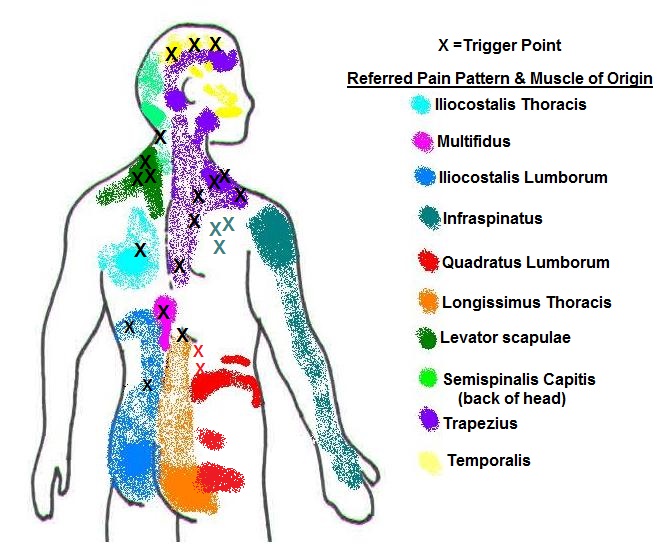
Myofascial Pain & Trigger Points Spine Plus
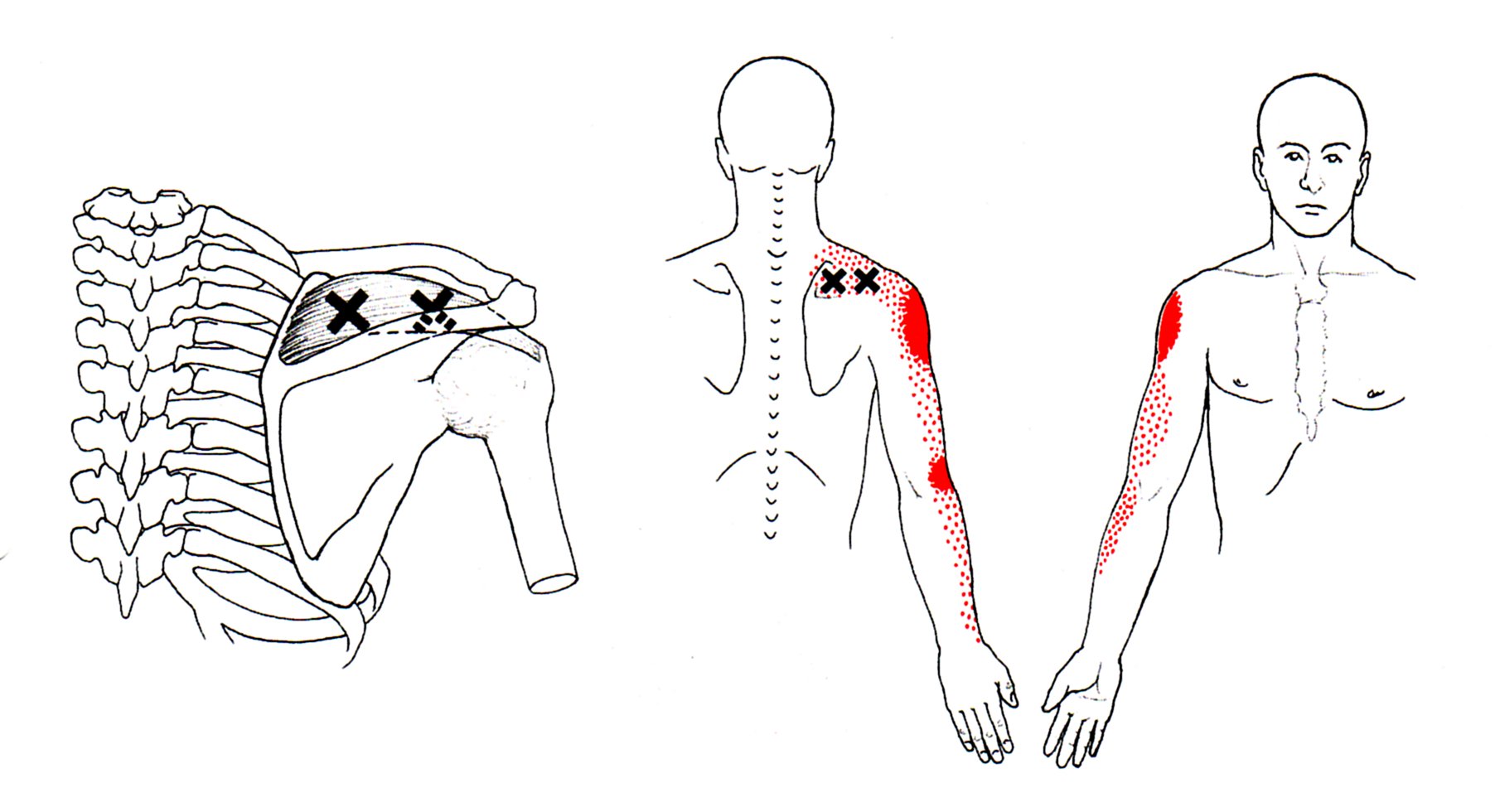
Supraspinatus The Trigger Point & Referred Pain Guide

Shoulder Pain Referral Patterns Upper Torso Massage Pinterest
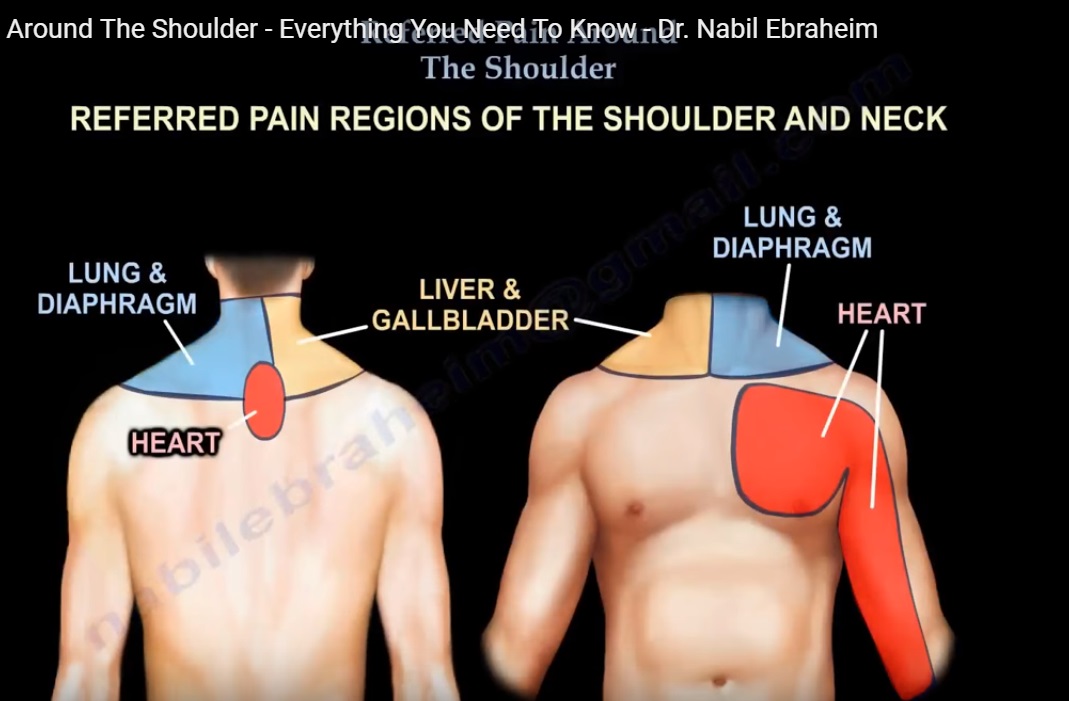
Referred pain around the Shoulder —

Visceral Referral Pattern Chart A Visual Reference of Charts Chart
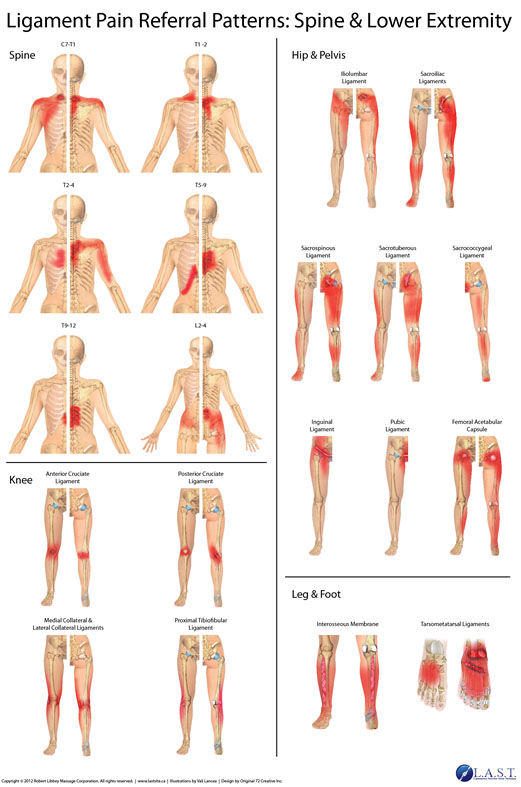
Shoulder Pain Referral Patterns are Reported in This Study LASTechnique
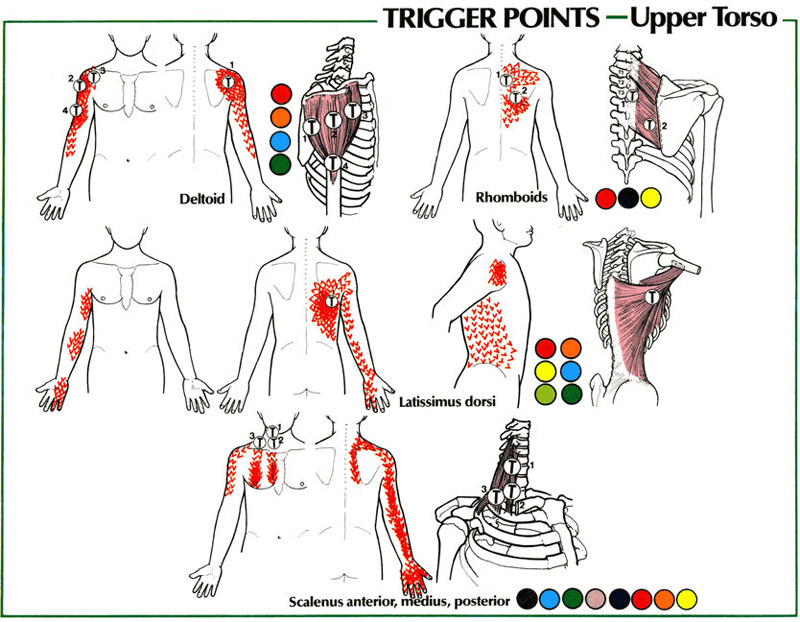
Shoulder Pain GadiBody

Referred pain patterns (red) from the upper and middle trapezius muscle
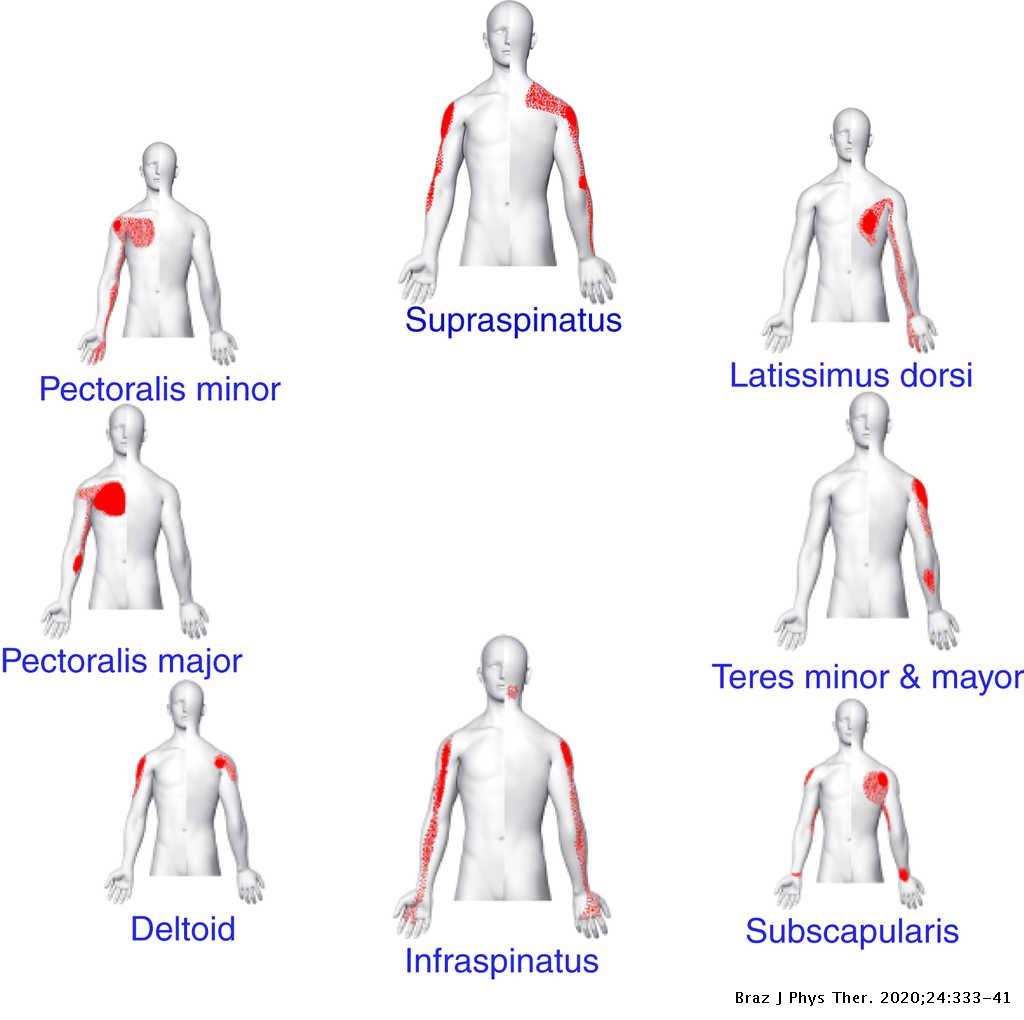
Pressure pain hypersensitivity and referred pain from muscle trigger
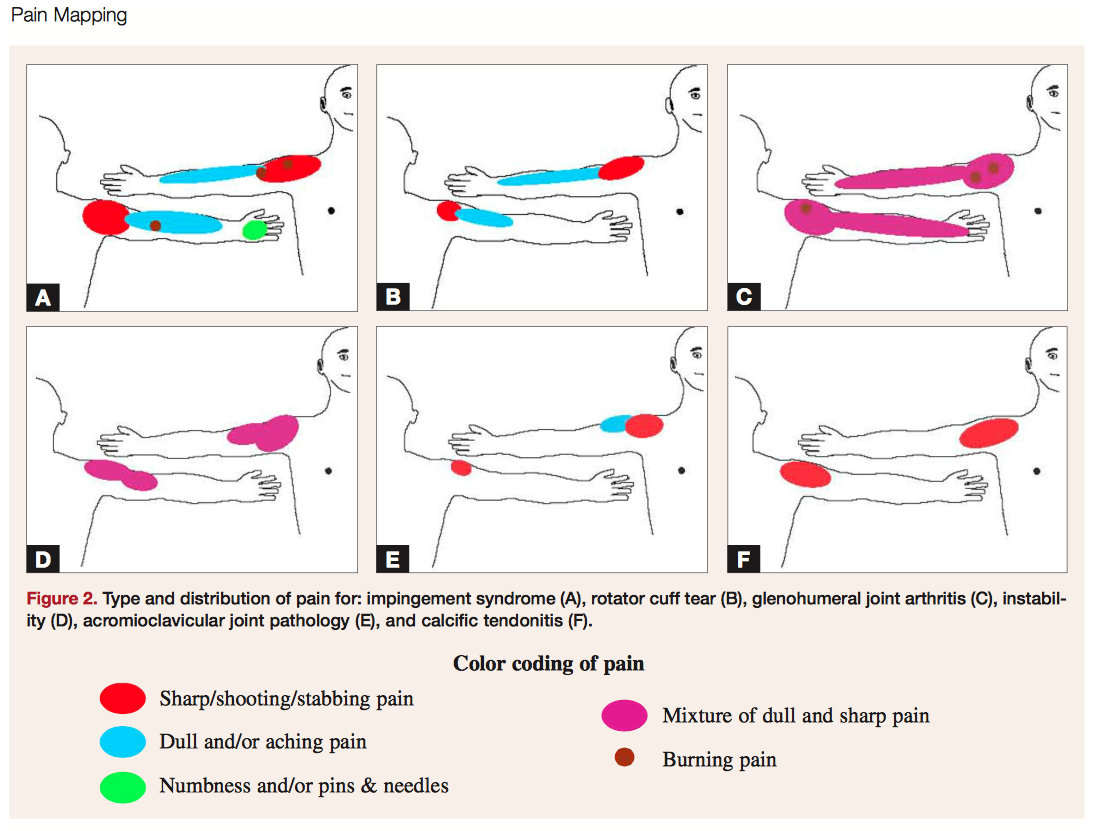
Shoulder Pain Referral Patterns are Reported in This Study LASTechnique
The Patient Should Be Asked About Paresthesias And.
The Former Include Injuries And Acute Or Chronic Degeneration Or Inflammation Of The Shoulder Joint, Tendons, Surrounding Ligaments, Or Periarticular Structures.
Systemic Symptoms Such As Fever, Night Sweats, Weight Loss, Or New Respiratory Symptoms;
Web Look For The Following Red Flags That Indicate The Need For Urgent Investigations And/Or Referral To Secondary Care:
Related Post: