
Reverse Swallow Pattern
Reverse Swallow Pattern - This is a result of an imbalance of the orofacial muscles. Web reverse swallow pattern. Tongue thrusting is an unideal swallowing pattern, which is visible by the tongue noticeably pushing forward during speaking and swallowing. In abnormal swallowing (also called reverse swallowing), the tongue is in an improper position, which causes strain and stress on the jaw, face, head and neck. Will these kids fix their lisps without it? In children, tongue thrust is apparent when there’s too much forward movement of the tongue during swallowing and speaking. Web tongue thrust (also called reverse swallow or immature swallow) is the common name of an oral myofunctional disorder, a dysfunctional muscle pattern in which the tongue protrudes anteriorly or laterally during swallowing, during speech, and while the tongue is. Stabilize functional movement zones for correct jaw and tongue movements for optimal and consistent production of speech sounds. Tongue thrust can also be seen as an oral myofunctional disorder, a tongue muscle pattern that is perceived as clinically abnormal, in which the tongue. Web treatment for tongue thrust. Web frontal lisp and reverse swallow by pam marshalla q: This involves retraining the patient to alter their swallowing pattern. Web tongue thrust is also known as a reverse swallow. It is a specialised remedial program designed to modify and correct the tongue thrust through a series of specific exercises. Web a tongue thrust, also called a reverse swallow or immature swallow, is best described as a swallowing pattern that pushes the tongue through the front teeth during swallowing. It also refers to labial and lingual resting postures. This refers to the resting posture of the tongue against the teeth and the pushing of the tongue against the teeth during a swallow. In an abnormal swallow, the tip of the tongue extends too far forward and down (a tongue thrust), which creates a space between the teeth and. Infants usually use their tongue to latch on and pull out milk or formula from the bottle or breast. Web a common myth is that tongue thrust (also known as reverse swallow pattern) can cause teeth to move out of place. Infants usually use their tongue to latch on and pull out milk or formula from the bottle or breast. Research has shown that the strong force exerted by the tongue during a swallow, does not have the consistent pressure needed to cause a. Tongue thrust is exhibited when a child demonstrates a reverse swallow pattern of the tongue moving forward. Stabilize functional movement zones for correct jaw and tongue movements for optimal and consistent production of speech sounds. Should the slpas work on this too? Web reverse swallow pattern. Web encourage child to place tongue behind upper teeth when at rest. Once the tongue thrusting habit has formed, correcting these underlying causes may not resolve the tongue thrust. Web encourage child to place tongue behind upper teeth when at rest. Web a tongue thrust, also called a reverse swallow or immature swallow, is best described as a swallowing pattern that pushes the tongue through the front teeth during swallowing. This involves retraining the patient to alter their swallowing pattern. This habit has also been called deviate swallow, deviant. Web this video demonstrates the reverse swallow affecting dental and facial development. You gently bite down, the tongue pushes up against the hard palate, then pushes back and down to swallow. Web frontal lisp and reverse swallow by pam marshalla q: Will these kids fix their lisps without it? Web a tongue thrust, also called a reverse swallow or immature. Web a swallowing pattern known as reverse swallow. Web tongue thrust (also called reverse swallow or immature swallow) is the common name of an oral myofunctional disorder, a dysfunctional muscle pattern in which the tongue protrudes anteriorly or laterally during swallowing, during speech, and while the tongue is. Web a common myth is that tongue thrust (also known as reverse. Infants usually use their tongue to latch on and pull out milk or formula from the bottle or breast. Web a common myth is that tongue thrust (also known as reverse swallow pattern) can cause teeth to move out of place. An interdental tongue protrusion on all lingua phonemes. Web abnormal or reverse swallowing. In a baby, tongue thrust is. Web this video demonstrates the reverse swallow affecting dental and facial development. Web encourage child to place tongue behind upper teeth when at rest. Will these kids fix their lisps without it? Web tongue thrust, also known as an infantile or reverse swallow pattern, refers to a swallowing movement where the tongue moves forward to approximate the lower lip. In. Research has shown that the strong force exerted by the tongue during a swallow, does not have the consistent pressure needed to cause a. Infants usually use their tongue to latch on and pull out milk or formula from the bottle or breast. Web tongue thrust is also known as a reverse swallow. Web tongue thrust, otherwise known as an. This refers to the resting posture of the tongue against the teeth and the pushing of the tongue against the teeth during a swallow. Web the term “tongue thrust” has had many meanings through the years. Web encourage child to place tongue behind upper teeth when at rest. Web this video demonstrates the reverse swallow affecting dental and facial development.. Once the tongue thrusting habit has formed, correcting these underlying causes may not resolve the tongue thrust. Web a swallowing pattern known as reverse swallow. Web tongue thrust (also called reverse swallow or immature swallow) is the common name of an oral myofunctional disorder, a dysfunctional muscle pattern in which the tongue protrudes anteriorly or laterally during swallowing, during speech,. Web reverse swallow pattern. This involves retraining the patient to alter their swallowing pattern. Web a tongue thrust is a “reverse swallow.” in a correct swallowing pattern, the tongue tip is placed on the alveolar ridge (the bumpy ridge behind your top two front teeth). Infants usually use their tongue to latch on and pull out milk or formula from the bottle or breast. In children, tongue thrust is apparent when there’s too much forward movement of the tongue during swallowing and speaking. This refers to the resting posture of the tongue against the teeth and the pushing of the tongue against the teeth during a swallow. In a baby, tongue thrust is completely normal. Should the slpas work on this too? Web encourage child to place tongue behind upper teeth when at rest. An interdental tongue protrusion on all lingua phonemes. Web this video demonstrates the reverse swallow affecting dental and facial development. This is a result of an imbalance of the orofacial muscles. Web tongue thrust is a term that describes a swallowing pattern in which an individual pushes the tongue against or between the teeth. Web treatment for tongue thrust. Web a tongue thrust, also called a reverse swallow or immature swallow, is best described as a swallowing pattern that pushes the tongue through the front teeth during swallowing. Web a swallowing pattern known as reverse swallow.
swallow pattern Google Search Shading flowers, Prints, Art

Concealing Baby Swallow Pattern YouTube

Infant Feeding Suck/Swallow pattern handout (pdf)
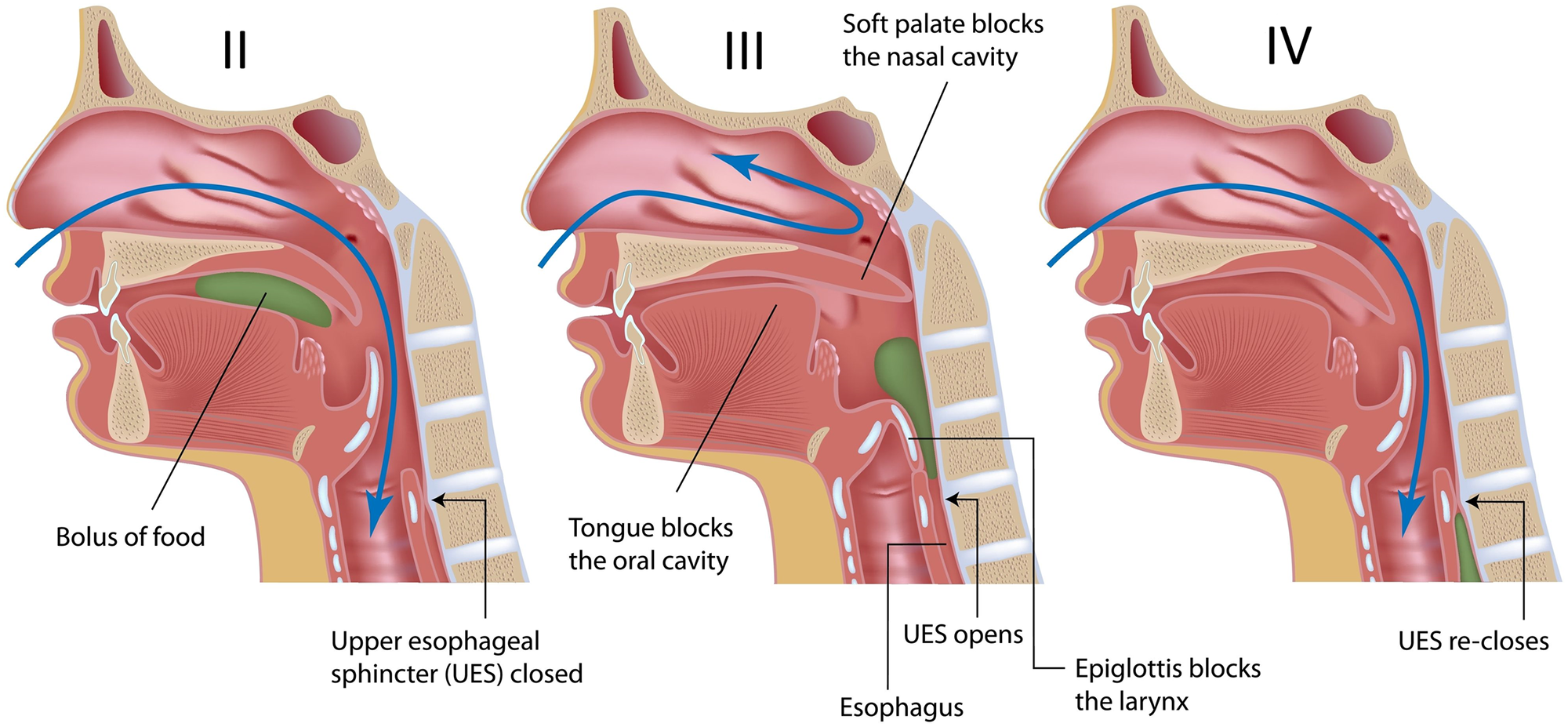
Normal Swallowing Tracheostomy Education

swallow pattern Patrones de papel tapiz, Patrones de impresión

Seamless Pattern Handdrawn Swallows Stock Vector 134713988 Shutterstock
reverse swallow by FreckleFish on DeviantArt

Patterns in fetal swallowing. (A) Isolated swallow (volume = 0.55 mL
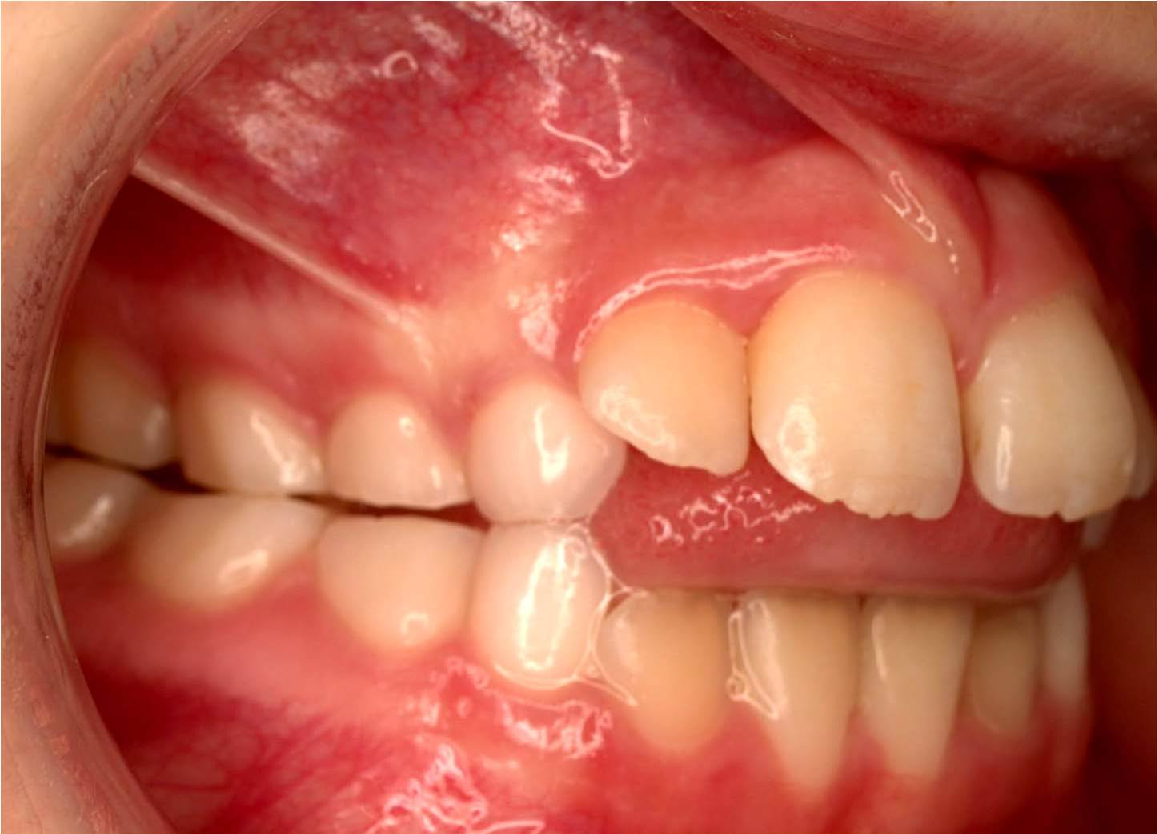
What is tongue thrust and why is it a problem? News Dentagama

Swallow Pattern by cutequokka2 Seamless Repeat Vector RoyaltyFree
Tongue Thrust Can Also Be Seen As An Oral Myofunctional Disorder, A Tongue Muscle Pattern That Is Perceived As Clinically Abnormal, In Which The Tongue.
In Abnormal Swallowing (Also Called Reverse Swallowing), The Tongue Is In An Improper Position, Which Causes Strain And Stress On The Jaw, Face, Head And Neck.
This Thrusting Pattern Is Usually A Compensation For Other Underlying Issues Which Can Or May Include:
Stabilize Functional Movement Zones For Correct Jaw And Tongue Movements For Optimal And Consistent Production Of Speech Sounds.
Related Post: