
Pulmonary Disease Pattern Ecg
Pulmonary Disease Pattern Ecg - (2) an s 1 s 2 s 3 pattern, a relatively uncommon finding not highly specific for copd 13 that reflects an anomalous wave front rightward and superiorly. We found a similar pattern in the low. First, to review the ecg patterns that suggest the presence of underlying copd; To evaluate the extent and diagnostic values of ecg changes among copd patients suffering from broad spectrum of respiratory diseases. Web ecg changes occur in chronic obstructive pulmonary disease (copd) due to: • right axis deviation of the p waves. Web based on the low voltage in leads v 1, v 2, v 3, the rightward frontal plane axis, incomplete right bundle branch block (rbbb), and persistent precordial s waves, the computer interpreted the overall pattern as consistent with pulmonary disease. The presence of hyperexpanded emphysematous lungs within the chest; Web this article has three purposes: Web formal pulmonary function tests: Web the electrocardiogram is often abnormal in patients who have chronic obstructive pulmonary disease. Web electrocardiography (ecg) is a useful adjunct to other pulmonary tests because it provides information about the right side of the heart and therefore pulmonary disorders such as chronic pulmonary hypertension and pulmonary embolism. Web mechanism of ecg changes in copd: Web cvd indicates cardiovascular disease; Web ecg changes occur in chronic obstructive pulmonary disease (copd) due to: Web objective patients with chronic obstructive pulmonary disease (copd) often have abnormal ecgs. Ecg changes commonly associated with pulmonary diseases such as copd. Web ecg changes in pe are related to: Web electrocardiographic (ecg) findings may help in clinical decision making regarding this disease entity. Dilation of the right atrium and right ventricle with consequent shift in the position of the heart. The presence of hyperexpanded emphysematous lungs within the chest; Ecg findings often suggest right ventricular pressure overload or strain. And third, to review the abnormalities of cardiac rhythm that occur most often in patients w. Web the electrocardiogram is often abnormal in patients who have chronic obstructive pulmonary disease. Web the following ecg signs reflecting ccp were collected: Web electrocardiography (ecg) is a useful adjunct to other pulmonary tests because it provides information about the right side of the heart and therefore pulmonary disorders such as chronic pulmonary hypertension and pulmonary embolism. And third, to review the abnormalities of cardiac rhythm that occur most often in patients w. (2) an s 1 s 2 s 3 pattern, a. This pattern is characterized by a large s wave in lead i, a q wave in lead iii, and an inverted t wave in lead iii. Ecg findings often suggest right ventricular pressure overload or strain. Web cvd indicates cardiovascular disease; Web electrocardiography (ecg) is a useful adjunct to other pulmonary tests because it provides information about the right side. The prevalence of some electrocardiographic (ecg) abnormalities in severe versus mild or moderate chronic obstructive pulmonary disease (copd) has been reported. Second,to describe the special ecg abnormalities that suggest acute superimposed illness (these have prognostic or therapeutic significance); Ecg changes commonly associated with pulmonary diseases such as copd. Ecg findings often suggest right ventricular pressure overload or strain. Screening for. Increased stimulation of the sympathetic nervous system due to pain, anxiety and hypoxia. Web in copd, the various pathophysiological mechanisms modify the ecg differently. • right axis deviation or vertical axis of the qrs complex. Web objective patients with chronic obstructive pulmonary disease (copd) often have abnormal ecgs. Web ecg abnormalities are common in patients with pulmonary embolism, with the. Web the following ecg signs reflecting ccp were collected: Web electrocardiography (ecg) is a useful adjunct to other pulmonary tests because it provides information about the right side of the heart and therefore pulmonary disorders such as chronic pulmonary hypertension and pulmonary embolism. (2) an s 1 s 2 s 3 pattern, a relatively uncommon finding not highly specific for. The presence of hyperexpanded emphysematous lungs within the chest; Web this article has three purposes: We found a similar pattern in the low. And third, to review the abnormalities of cardiac rhythm that occur most often in patients w. Ecg changes commonly associated with pulmonary diseases such as copd. Web electrocardiography (ecg) is a useful adjunct to other pulmonary tests because it provides information about the right side of the heart and therefore pulmonary disorders such as chronic pulmonary hypertension and pulmonary embolism. Web ecg changes occur in chronic obstructive pulmonary disease (copd) due to: Web the electrocardiogram is often abnormal in patients who have chronic obstructive pulmonary disease.. Dilation of the right atrium and right ventricle with consequent shift in the position of the heart. Web the electrocardiogram is often abnormal in patients who have chronic obstructive pulmonary disease. Web the electrocardiogram is often abnormal in patients who have chronic obstructive pulmonary disease. Our aim was to separate the effects on ecg by airway obstruction, emphysema and right. Copd is associated with increased airway resistance, alveolar and pulmonary capillary destruction, air trapping, chronic hypoxemia and increased work of breathing. Web the electrocardiogram is often abnormal in patients who have chronic obstructive pulmonary disease. Web formal pulmonary function tests: Dilation of the right atrium and right ventricle with consequent shift in the position of the heart. • right axis. Web the electrocardiogram is often abnormal in patients who have chronic obstructive pulmonary disease. The presence of hyperexpanded emphysematous lungs within the chest; To evaluate the extent and diagnostic values of ecg changes among copd patients suffering from broad spectrum of respiratory diseases. Dilation of the right atrium and right ventricle with consequent shift in the position of the heart. Increased stimulation of the sympathetic nervous system due to pain, anxiety and hypoxia. (2) an s 1 s 2 s 3 pattern, a relatively uncommon finding not highly specific for copd 13 that reflects an anomalous wave front rightward and superiorly. Web the following ecg signs reflecting ccp were collected: Web ecg changes in pe are related to: Web electrocardiographic (ecg) findings may help in clinical decision making regarding this disease entity. Web in copd, the various pathophysiological mechanisms modify the ecg differently. Ecg changes commonly associated with pulmonary diseases such as copd. Ecg findings often suggest right ventricular pressure overload or strain. Web cvd indicates cardiovascular disease; Web objective patients with chronic obstructive pulmonary disease (copd) often have abnormal ecgs. Web chronic obstructive pulmonary disease often causes a characteristic electrocardiographic pattern that reflects mainly the low diaphragm resulting from the increased lung volume. Web this article has three purposes:
Pulmonary Embolism (PE) Causes, symptoms, diagnosis, treatment
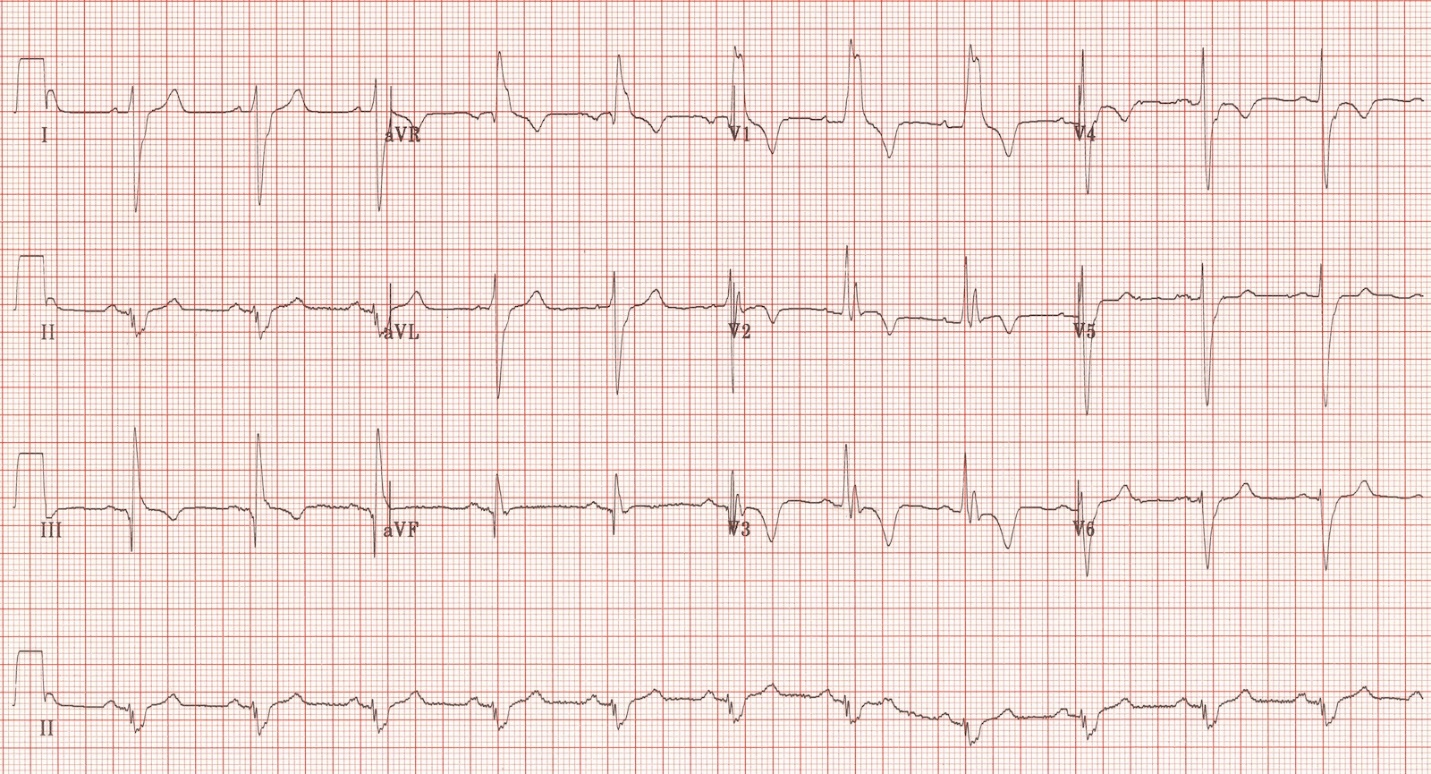
Pulmonary Embolism ECG New Health Advisor

Pulmonary Disease Pattern On Ekg Pattern.rjuuc.edu.np

The ECG's of Pulmonary Embolism Resus

ECG in Chronic Obstructive Pulmonary Disease • LITFL • ECG Library

S1Q3T3 on ECG in a patient with Acute Pulmonary Embolism GrepMed
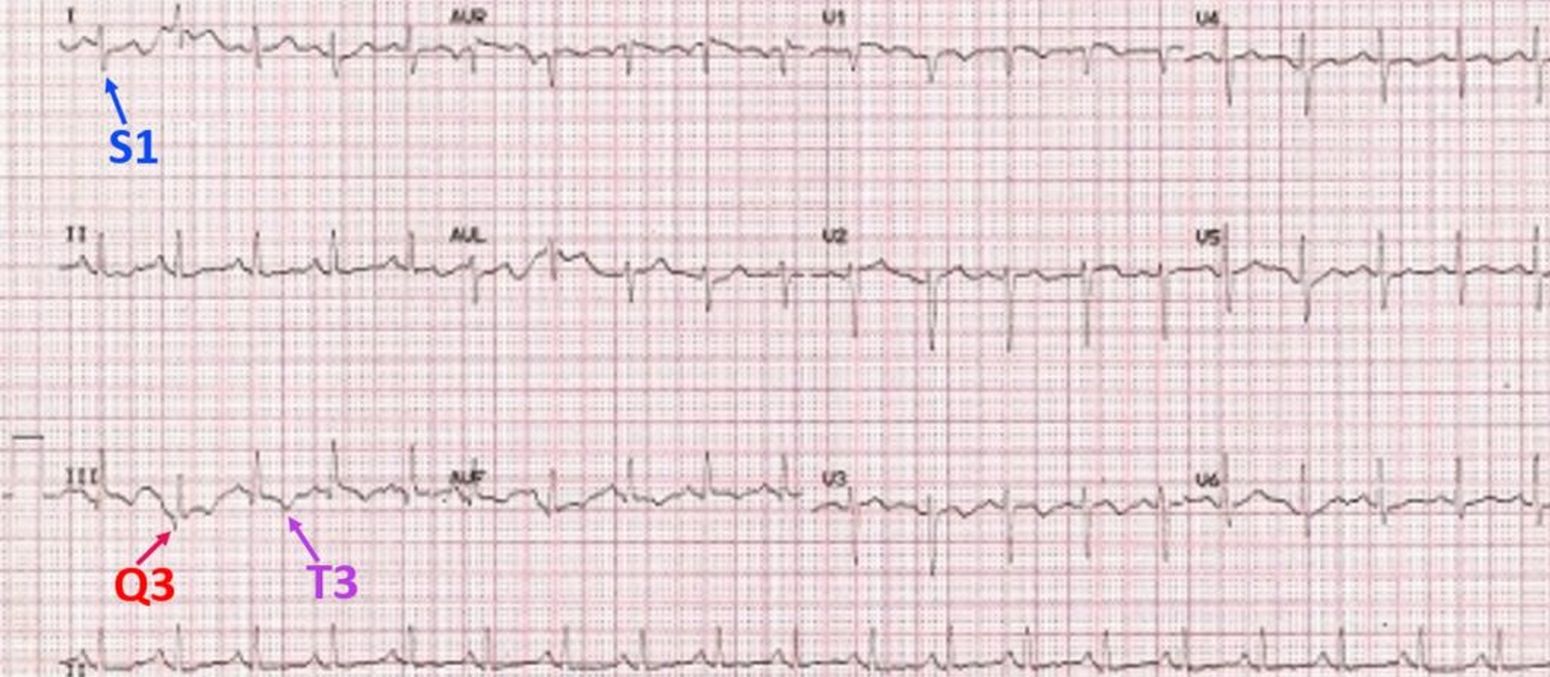
pulmonary disease pattern ecg Hình ảnh có liên quan Diseases Club

Pulmonary embolism and S1Q3 pattern Cardiocases
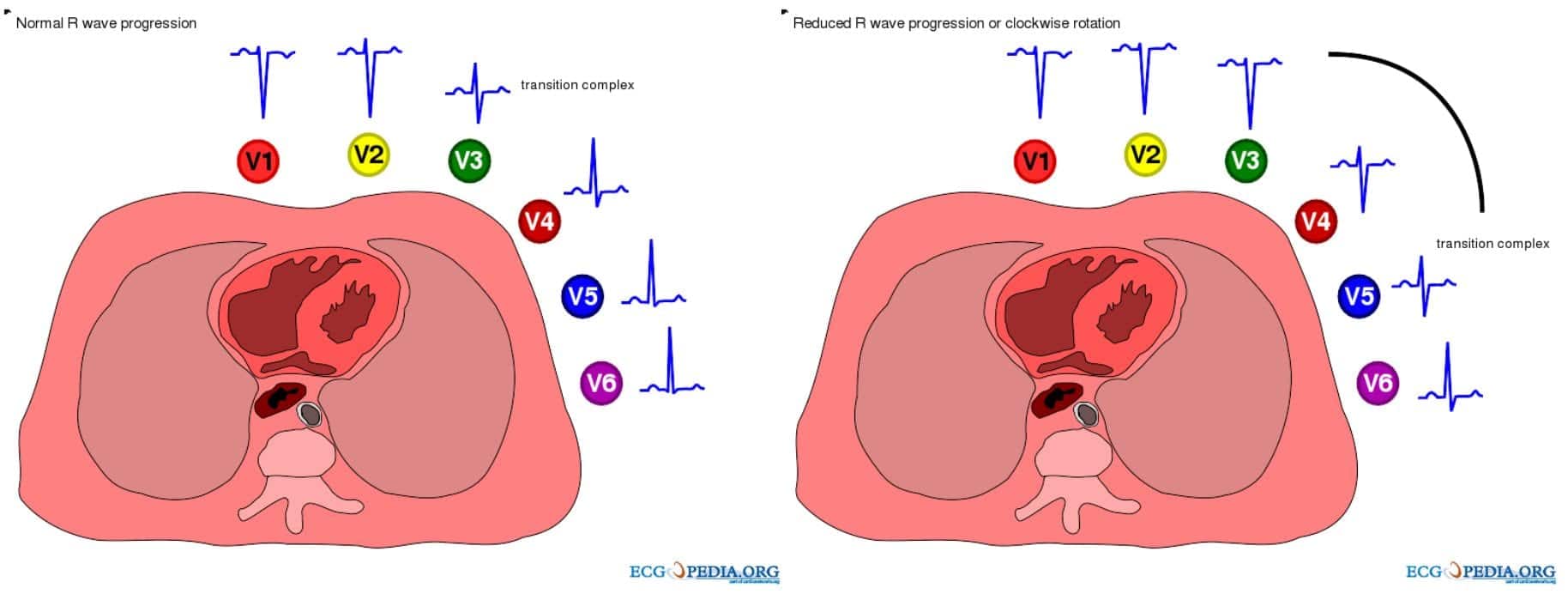
ECG in Chronic Obstructive Pulmonary Disease • LITFL • ECG Library
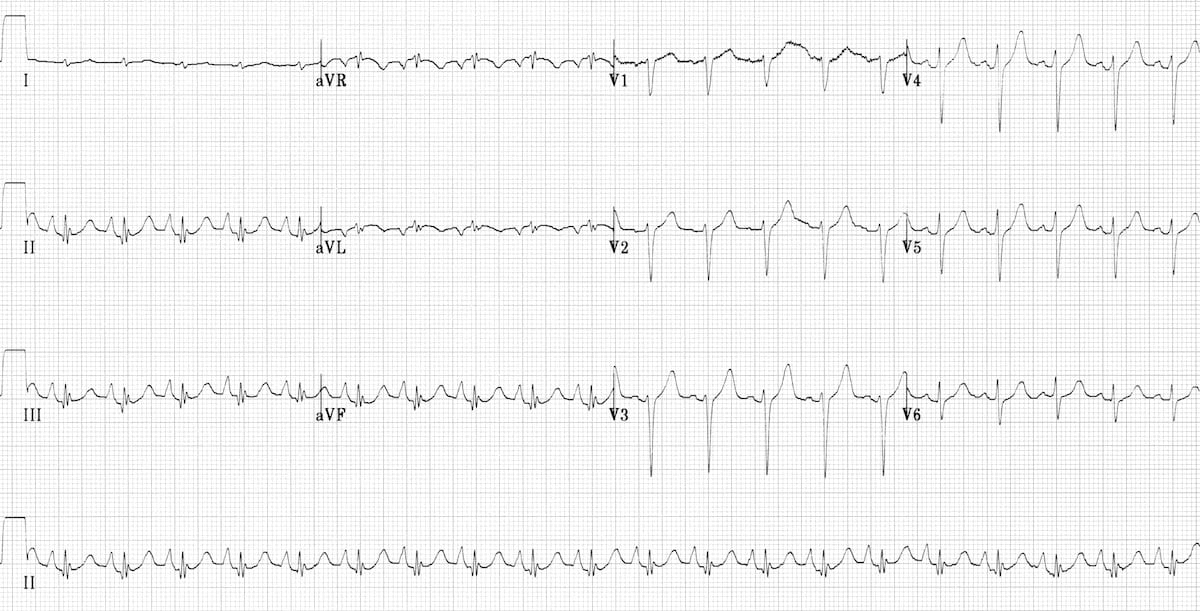
ECG in Chronic Obstructive Pulmonary Disease • LITFL • ECG Library
The Prevalence Of Some Electrocardiographic (Ecg) Abnormalities In Severe Versus Mild Or Moderate Chronic Obstructive Pulmonary Disease (Copd) Has Been Reported.
Web Ecg Changes Occur In Chronic Obstructive Pulmonary Disease (Copd) Due To:
• Right Axis Deviation Or Vertical Axis Of The Qrs Complex.
Web Based On The Low Voltage In Leads V 1, V 2, V 3, The Rightward Frontal Plane Axis, Incomplete Right Bundle Branch Block (Rbbb), And Persistent Precordial S Waves, The Computer Interpreted The Overall Pattern As Consistent With Pulmonary Disease.
Related Post: