
Patterns Of Fingerprints
Patterns Of Fingerprints - Check history and development of fingerprint Edward henry modified galton’s system and. Web a fingerprint is an impression left by the friction ridges of a human finger. The fingerprints are created by using a technique called an autoencoder. Web molecular fingerprints are significant cheminformatics tools to map molecules into vectorial space according to their characteristics in diverse functional groups, atom. Sir francis galton has described 3 patterns for classification of fingerprints: Web the whorls, arches and loops that make fingerprints unique are produced during fetal development by waves of tiny ridges that form on the fingertip, spread and. Web the impressions from the last finger joints are known as fingerprints. Today, we will explore fingerprints. They form from pressure on a baby's tiny, developing fingers in the womb. Web a fingerprint is an impression left by the friction ridges of a human finger. Web if you set the screen lock type by biometrics recognition such as fingerprints or face recognition, the screen that requests a pin, pattern, or password may appear. These raised ridges of skin develop before birth. These friction ridges are present on your fingertips, palm, toes, and soles! The recovery of partial fingerprints from a crime scene is an important method of forensic science. An arch doesn’t have any delta, lines, or cores. Web a fingerprint pattern type where the ridges enter from one side, curve up and around and flow back out the side it entered. Sir francis galton has described 3 patterns for classification of fingerprints: The fingerprints are created by using a technique called an autoencoder. Web fingerprints help in gripping items with rough surfaces, and they also play an important role in the perception of fine textures. Today, we will explore fingerprints. Check history and development of fingerprint However, specific patterns can be seen in fingerprints. Web everyone's fingerprints are unique. Web 3 major types of fingerprints include: Web by altering the relative timing, location and angle of these starting points, the team could create each of the three most common fingerprint patterns — arches, loops. Web if you set the screen lock type by biometrics recognition such as fingerprints or face recognition, the screen that requests a pin, pattern, or password may appear. Check history and development. The fingerprints are created by using a technique called an autoencoder. The shape, size, number, and arrangement of minor details, called minutiae, in these patterns. Web the whorls, arches and loops that make fingerprints unique are produced during fetal development by waves of tiny ridges that form on the fingertip, spread and. Web fingerprints are the tiny ridges, whorls and. They were known to expand out from. Edward henry modified galton’s system and. Web the impressions from the last finger joints are known as fingerprints. Web fingerprints are unique patterns, made by friction ridges (raised) and furrows (recessed), which appear on the pads of the fingers and thumbs. Only a few, that is close to 5% have this type of. In a whorl fingerprint, the ridges form a circular pattern. Web the present chapter includes a basic introduction to fingerprints, including history, fingerprint laws, classification, types, collection and preservation methods. Some arches look like they have a pointed tent shape. Web fingerprints are the looping, swirling stripes on the tips of your fingers. Web the whorls, arches and loops that. Today, we will explore fingerprints. In a whorl fingerprint, the ridges form a circular pattern. There is always one delta present in the loop pattern. Web if you set the screen lock type by biometrics recognition such as fingerprints or face recognition, the screen that requests a pin, pattern, or password may appear. Sir francis galton has described 3 patterns. Web the whorls, arches and loops that make fingerprints unique are produced during fetal development by waves of tiny ridges that form on the fingertip, spread and. They form from pressure on a baby's tiny, developing fingers in the womb. Web a fingerprint is an impression left by the friction ridges of a human finger. Web fingerprints are the looping,. They form from pressure on a baby's tiny, developing fingers in the womb. Web these patterns are too complicated for scientists to detect without the aid of ai. They were known to expand out from. Arch fingerprints have ridges that form a hill. Web everyone's fingerprints are unique. Web fingerprints are the looping, swirling stripes on the tips of your fingers. Web a fingerprint is an impression left by the friction ridges of a human finger. Friction ridge patterns are grouped. Arch fingerprints have ridges that form a hill. Web these patterns are too complicated for scientists to detect without the aid of ai. Web based on the pattern, fingerprints can be categorized into four types arch, loop, whorl, & composite. Web these are the commonly known types of fingerprint patterns that have been firmly established by fingerprint examiners and experts all over the world. These raised ridges of skin develop before birth. They are formed by the pressure exerted on the infant's fingers. There is always one delta present in the loop pattern. Web a fingerprint pattern type where the ridges enter from one side, curve up and around and flow back out the side it entered. Web there are three main fingerprint patterns, called arches, loops and whorls. Web the whorls, arches and loops that make fingerprints unique are produced during fetal development by waves of tiny ridges that form on the fingertip, spread and. Web the impressions from the last finger joints are known as fingerprints. Web we explore the eight primary types of fingerprints each with their own set of intricate patterns, characteristics & varying commonalities. Web fingerprints help in gripping items with rough surfaces, and they also play an important role in the perception of fine textures. Web fingerprints are unique patterns, made by friction ridges (raised) and furrows (recessed), which appear on the pads of the fingers and thumbs. Web these patterns are too complicated for scientists to detect without the aid of ai. Check history and development of fingerprint Web 3 major types of fingerprints include: Today, we will explore fingerprints. Web fingerprints are the unique ridges and patterns found on the tip of every individual's fingers. These raised ridges of skin develop before birth. The recovery of partial fingerprints from a crime scene is an important method of forensic science. Web a fingerprint is an impression left by the friction ridges of a human finger.![Types of fingerprint patterns [1] Download Scientific Diagram](https://www.researchgate.net/publication/334688891/figure/fig1/AS:960502658265088@1606013087136/Fingerprint-global-and-local-features-a-Core-points-b-type-lines-c-delta-point-d_Q640.jpg)
Types of fingerprint patterns [1] Download Scientific Diagram

The three basic fingerprint patterns (A) whorls; (B) loops; (C
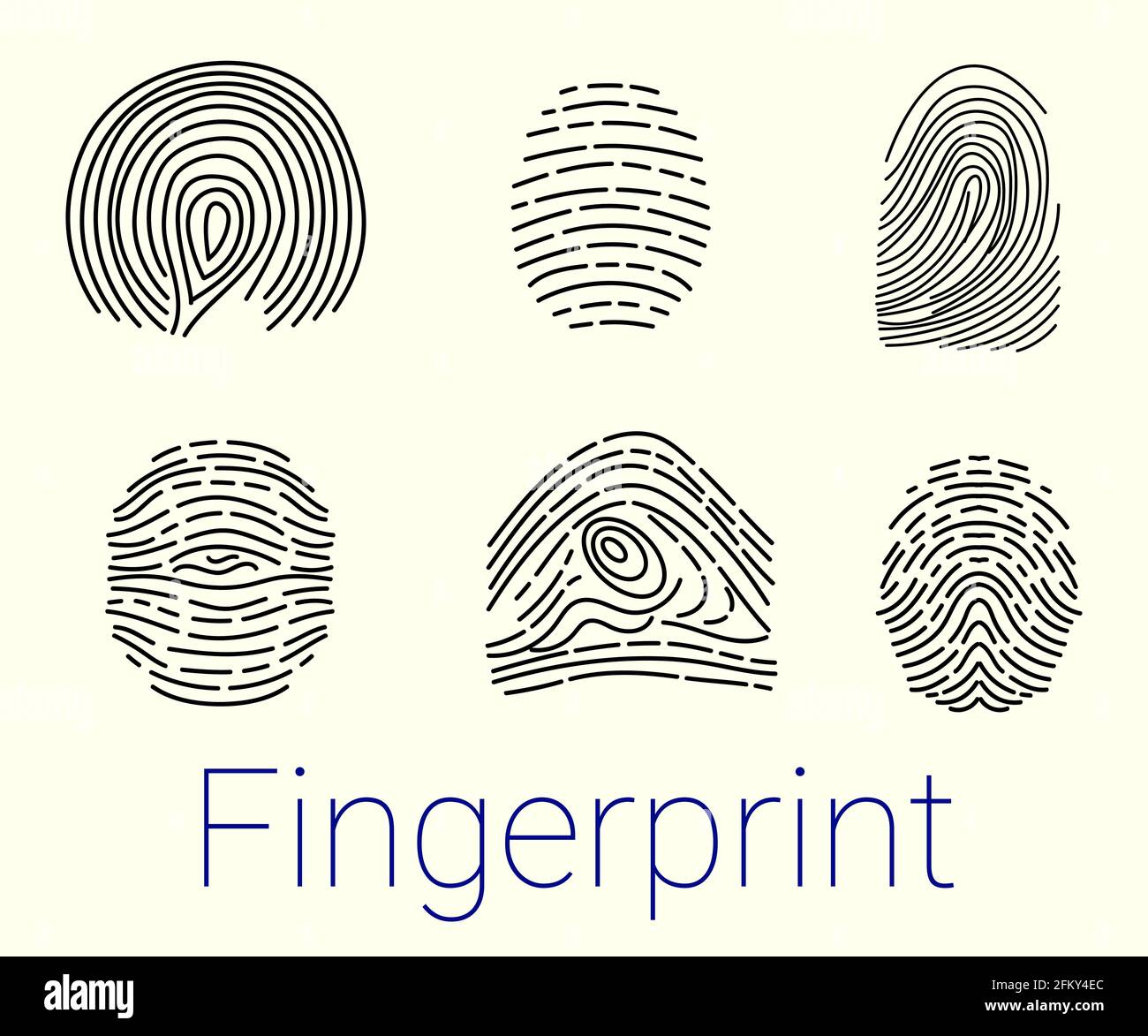
Fingerprint patterns hires stock photography and images Alamy
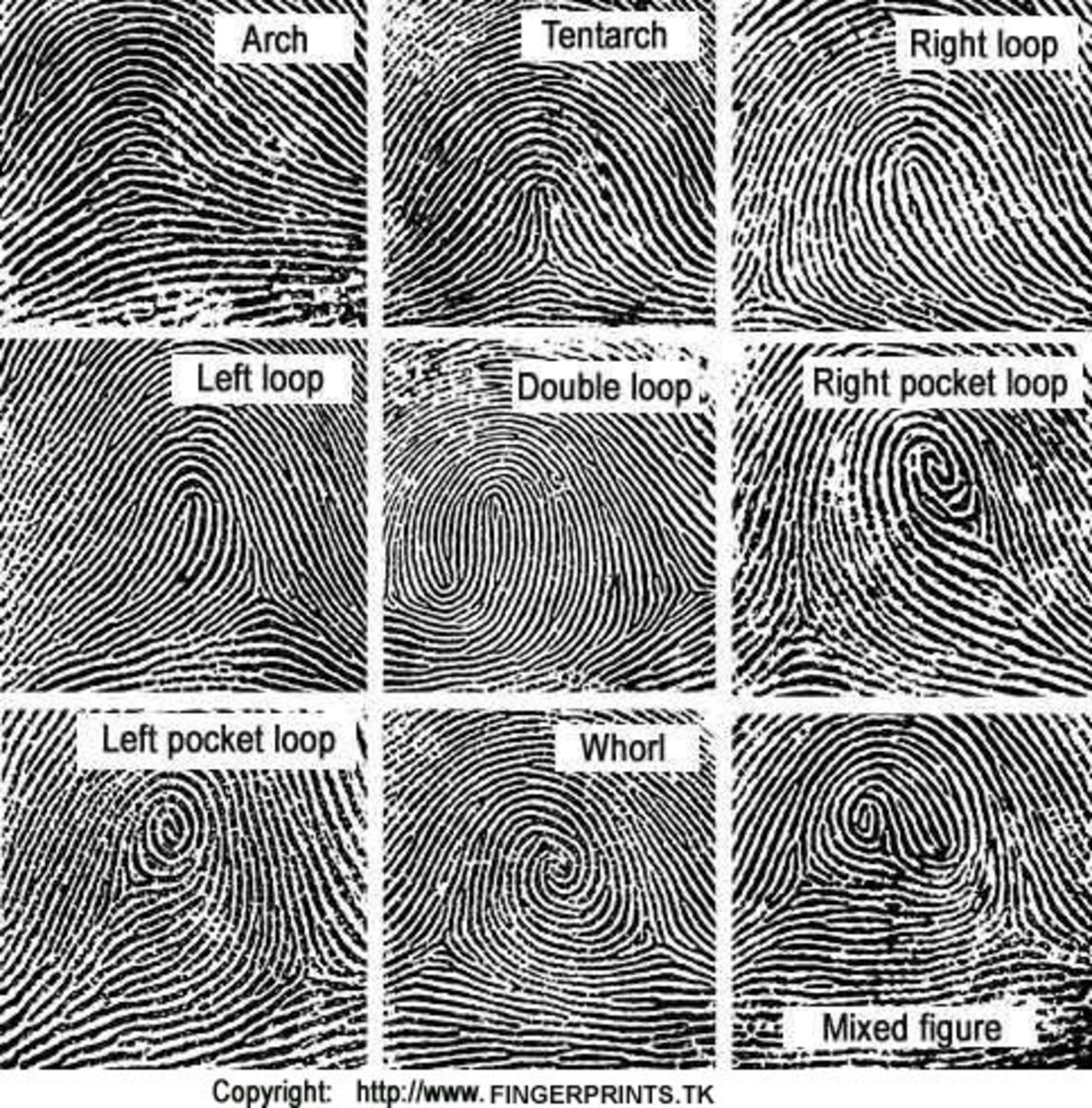
Fingerprint

3 main fingerprint patterns basicstagemakeuptutorial

What Are The Types Of Fingerprint Patterns David Carter's 4th Grade
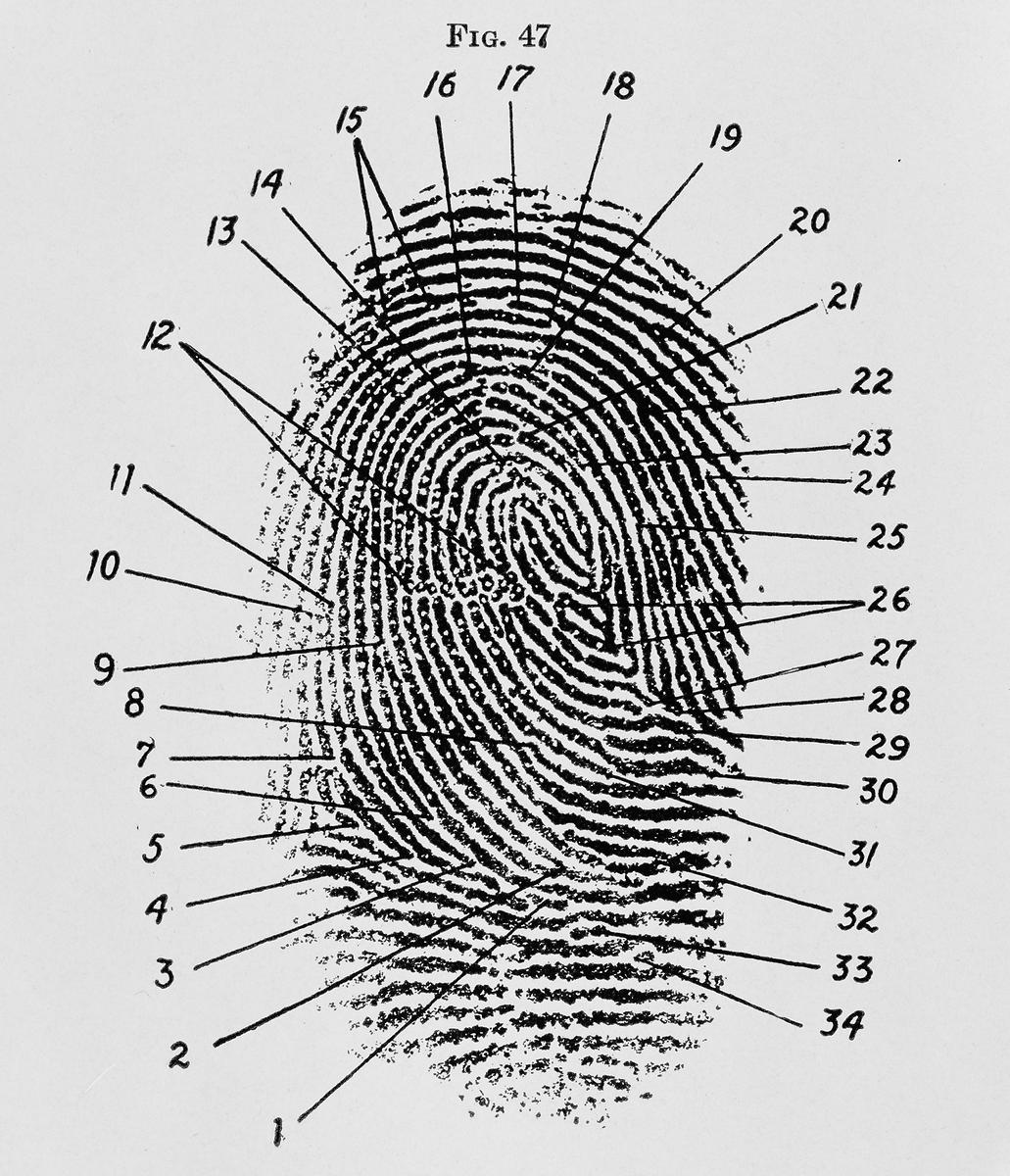
The Importance Of Fingerprint Charts In Police Investigations

3 Basic patterns of fingerprints(a) Ulnar Loop (b) Radial Loop (c
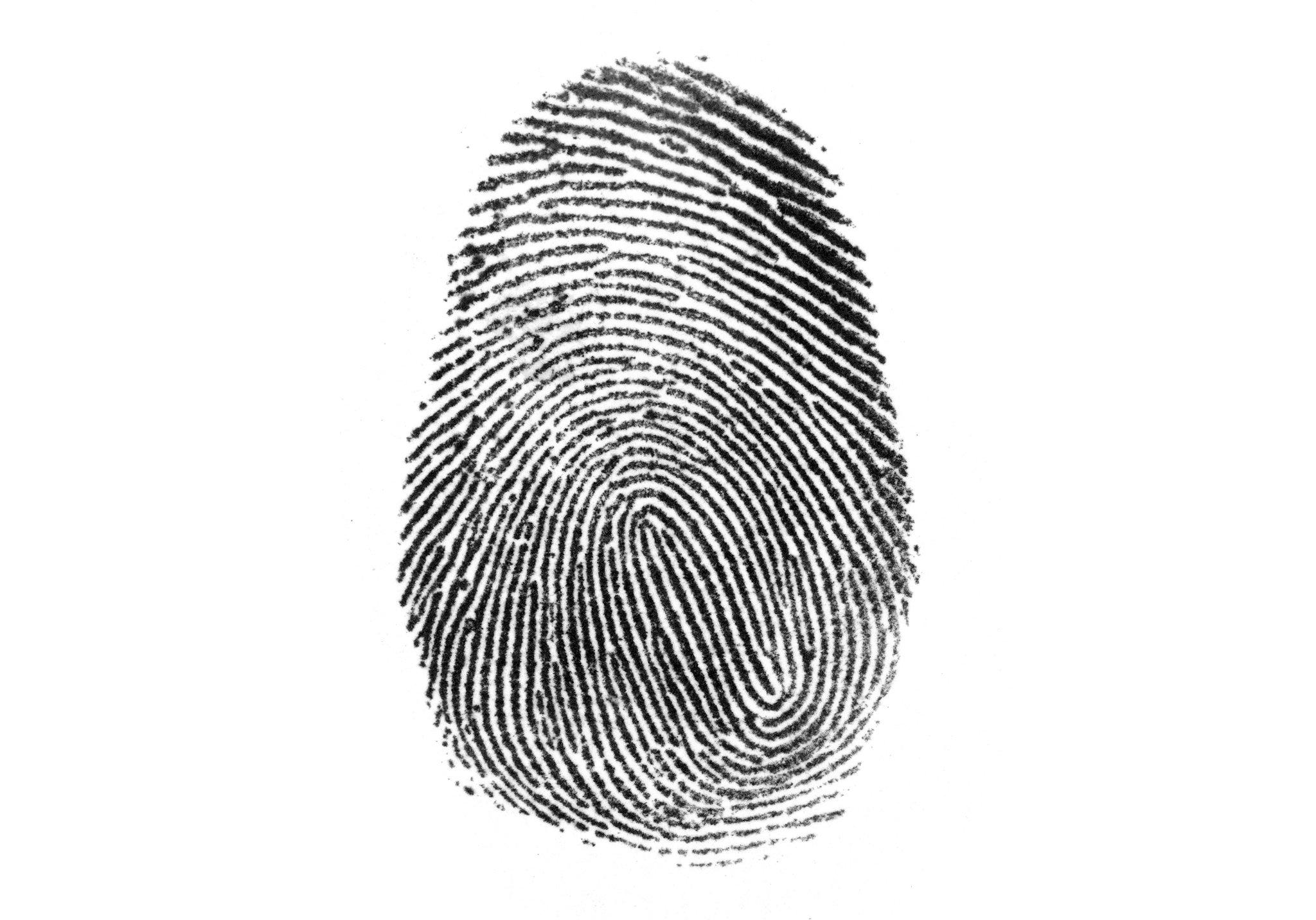
Fingerprinting 101 Delta Fingerprints

Double Loop Fingerprint
Sir Francis Galton Has Described 3 Patterns For Classification Of Fingerprints:
By The Shapes And Contours Of Individual Patterns, By Noting The Finger Positions Of The Pattern Types, And By Relative.
Only A Few, That Is Close To 5% Have This Type Of Fingerprint.
Web Everyone's Fingerprints Are Unique.
Related Post: