
Islamic Tile Patterns
Islamic Tile Patterns - This was a moorish palace constructed between the 13th and 14th centuries, and as we will see it contains many beautiful examples of tessellated tile work. We start by looking at one quite simple pattern, figure 1. The alhambra, sala de las dos hermanas this pattern was drawn by m c escher on a visit to the alhambra | he had a good eye for an interesting pattern. Web one of the defining characteristics of islamic art is its abundant use of geometric patterns to adorn a wide variety of architectural and decorative surfaces. Web perhaps the most famous case of tessellating tilework ever produced in the islamic world are those found at the alhambra in granada, spain. Fine examples of islamic art, from the seventh to the nineteenth century, can be seen in the metropolitan museum’s collection. Web the geometric patterns in islamic tile consist of simple shapes that are combined, interlaced, duplicated, and laid out in complex designs. The designs in islamic art were created using a set of five template tiles,. The term itself is a big umbrella to tens of variations. Girih decoration is believed to have been inspired by syrian roman knotwork patterns from the second century. Web girih tiles are a set of five tiles that were used in the creation of islamic geometric patterns using strapwork for decoration of buildings in islamic architecture. Web the tile from multan has a molded design that resembles crenellations seen along the upper edges of walls. This was a moorish palace constructed between the 13th and 14th centuries, and as we will see it contains many beautiful examples of tessellated tile work. Web consisting of, or generated from, such simple forms as the circle and the square, geometric patterns were combined, duplicated, interlaced, and arranged in intricate combinations, thus becoming one of the most distinguishing features of islamic art. Web this post will focus on traditional islamic tiles that use a black outline around the biomorphic (vegetal and floral) patterns. Web material characterizations of early century ceramic tile art. They have been used to decorate the walls and floors of mosques, palaces, and other important buildings, as well as private homes. Less searching, more finding with getty images. We start by looking at one quite simple pattern, figure 1. Historically, the decorative arts have always formed. Four basic shapes make up most islamic tile designs: Web islamic tiles are decorative tiles with roots dating back to the 7th century in the arab world. Web the geometric patterns in islamic tile consist of simple shapes that are combined, interlaced, duplicated, and laid out in complex designs. Web the tile from multan has a molded design that resembles. This was a moorish palace constructed between the 13th and 14th centuries, and as we will see it contains many beautiful examples of tessellated tile work. With a click or two, tilemaker lets you build layers of lines and circles, mimicking their actions. Web girih tiles are a set of five tiles that were used in the creation of islamic. Detail of mosaic tiles from isfahan mosque, iran. Web this post will focus on traditional islamic tiles that use a black outline around the biomorphic (vegetal and floral) patterns. گره, knot, also written gereh [1]) are decorative islamic geometric patterns used in architecture and handicraft objects, consisting of angled lines that form an interlaced strapwork pattern. You can find it. These archives offer some 5000 images of patterns and other design features drawn from the rich cultural heritage of the islamic world. Four basic shapes make up most islamic tile designs: Web the geometric patterns in islamic tile consist of simple shapes that are combined, interlaced, duplicated, and laid out in complex designs. Detail of mosaic tiles from isfahan mosque,. Web the combinations of ornate stars and polygons, interlocking lines and curves, have adorned mosques and palaces since the 15th century. Designed for ages 7 and up. Fine examples of islamic art, from the seventh to the nineteenth century, can be seen in the metropolitan museum’s collection. White glaze was applied over the entire upper surface of the tile before. Fine examples of islamic art, from the seventh to the nineteenth century, can be seen in the metropolitan museum’s collection. Designed for ages 7 and up. Less searching, more finding with getty images. We start by looking at one quite simple pattern, figure 1. Web surface patterns on works of art created in the islamic world have been prized for. Web one of the defining characteristics of islamic art is its abundant use of geometric patterns to adorn a wide variety of architectural and decorative surfaces. Web in islamic culture, geometric design is everywhere: Learn about symmetry and calligraphy, and design your own islamic tile and tessellating pattern. Designed for ages 7 and up. Web islamic designers used the full. Spanning centuries, these patterns have not only adorned mosques,. Designed for ages 7 and up. Web the tile from multan has a molded design that resembles crenellations seen along the upper edges of walls. Web the combinations of ornate stars and polygons, interlocking lines and curves, have adorned mosques and palaces since the 15th century. With a click or two,. Girih decoration is believed to have been inspired by syrian roman knotwork patterns from the second century. Less searching, more finding with getty images. Web islamic geometric patterns are one of the major forms of islamic ornament, which tends to avoid using figurative images, as it is forbidden to create a representation of an important islamic figure according to many. Web islamic geometric patterns are one of the major forms of islamic ornament, which tends to avoid using figurative images, as it is forbidden to create a representation of an important islamic figure according to many holy scriptures. Web perhaps the most famous case of tessellating tilework ever produced in the islamic world are those found at the alhambra in. Web discover new shapes and patterns though our collection of islamic art. Web islamic designers used the full range of archimedean tilings (comprised of simple polygons) first discovered by the greeks, but added to and expanded upon these with extraordinary visual and spatial ingenuity. From the taj mahal to the greatest examples of silk persian rugs, the history of islamic art spans over a thousand years, crosses borders, and takes on a wide range of genres and. Detail of mosaic tiles from isfahan mosque, iran. Less searching, more finding with getty images. You can find it in mosques, madrasas, palaces, and private homes. Historically, the decorative arts have always formed. These archives offer some 5000 images of patterns and other design features drawn from the rich cultural heritage of the islamic world. Web material characterizations of early century ceramic tile art. Web one of the defining characteristics of islamic art is its abundant use of geometric patterns to adorn a wide variety of architectural and decorative surfaces. Web girih tiles are a set of five tiles that were used in the creation of islamic geometric patterns using strapwork for decoration of buildings in islamic architecture. Web explore authentic islamic tile patterns stock photos & images for your project or campaign. We start by looking at one quite simple pattern, figure 1. Web islamic art patterns and their symbolic meaning. Designed for ages 7 and up. Spanning centuries, these patterns have not only adorned mosques,.
ISLAMIC ART Morrocan Zillij Tiles & Mosaic

Islamic Geometric Tile 2 by GDJ Islamic art pattern, Islamic art

Painted tiles. in 2020 Islamic art, Islamic art pattern, Geometric art

Islamic tiles, Islamic art pattern, Islamic art

Islam and Art Islamic mosaic, Islamic art pattern, Islamic art

Arabesque Almas Inset Tile. A geomtric patterned tile with a design

Islamic geometric pattern tile Islamic art pattern

Islamic art gallery on Instagram “Persian geometric mosaic tiles Jameh

V&A · Design And Make Your Own Islamic Tile And Printed Pattern
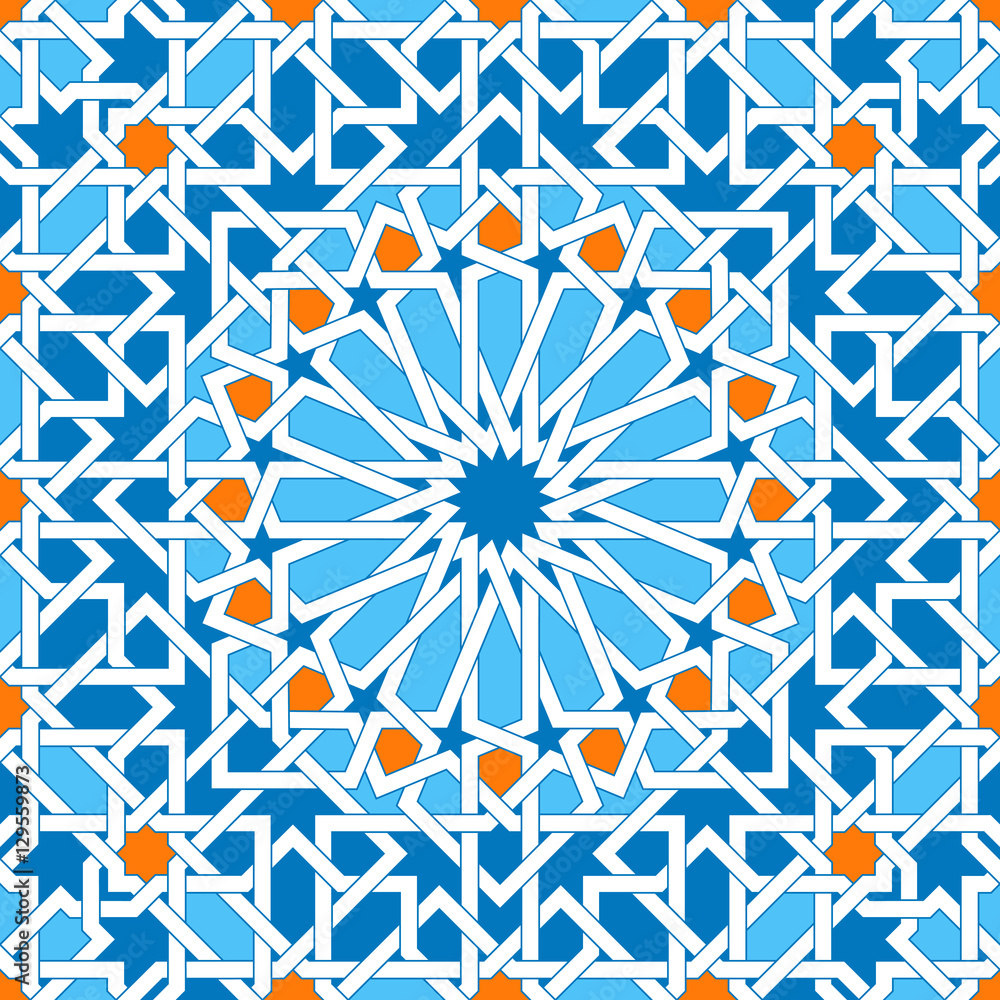
Islamic Geometric Patterns Tiles
They Have Been Used To Decorate The Walls And Floors Of Mosques, Palaces, And Other Important Buildings, As Well As Private Homes.
Web Surface Patterns On Works Of Art Created In The Islamic World Have Been Prized For Centuries For Their Beauty, Refinement, Harmony, Intricacy, And Complexity.
Web The Tile From Multan Has A Molded Design That Resembles Crenellations Seen Along The Upper Edges Of Walls.
Web For Centuries, Islamic Designers And Craftsmen Have Made Geometric Patterns Just By Drawing Straight Lines And Circles With A Compass And Straight Edge.
Related Post: