
Inverting Suture Pattern
Inverting Suture Pattern - Web there are a variety of suture patterns that can be used to close surgical wounds. Perhaps the most vital component of the correct suture pattern is the surgical knot. Web using the correct suture pattern will help to restore anatomical alignment of tissues, obliterate dead space, minimize tissue trauma and preserve blood supply to the tissues. 2 layer closure (inverting at least in the second layer)simple continuous + cushing or lembert. Two inverting suture lines (cushing or lembert) what layers to include? Web surgical techniques in reptiles can be challenging, due to the wide variety of unique anatomic and physiologic characteristics. Web cushing suture pattern: Web the continuous cushing pattern is often used for closing incisions in hollow viscera such as the stomach, urinary bladder and uterus. If done correctly, this pattern should invert the tissues enough to cover the first layer leaving only the knots of the inverting pattern visible. That’s useful, especially in hollow organs, to prevent any liquid that may be present inside the lumen from escaping through the incision. Web using the correct suture pattern will help to restore anatomical alignment of tissues, obliterate dead space, minimize tissue trauma and preserve blood supply to the tissues. Michael ross demonstrates the cushing suture pattern and explains the difference between the cushing and connell suture patterns. These are used to close lumens in large animal species (intestines, bladders, uteri). Web cushing suture pattern: Web closing a gastrotomy in two layers. Web start the pexy by placing a suture (#2 pds or nylon) across the caudal aspect of the dorsal sheath. Web common suture patterns: If done correctly, this pattern should invert the tissues enough to cover the first layer leaving only the knots of the inverting pattern visible. Web this pattern inverts the tissues. Any inverting pattern can be used (lembert, utrecht, cushing). Secure the bite with a knot. If done correctly, this pattern should invert the tissues enough to cover the first layer leaving only the knots of the inverting pattern visible. This could, for example, be fecal matter, which could cause a lot of havoc within the abdomen. Web inverting versus everting suture patterns disrupted tissue may be apposed using a. Web inverting versus everting suture patterns disrupted tissue may be apposed using a suture pattern that inverts or everts tissues, depending on the wound’s location. First layer can be just mucosa and submucosa leaving the muscularis and serosa for the 2 nd layer. Web the suture patterns used in equine anastomoses can be classified according to whether they invert, appose. It penetrates the submucosa but does not penetrate the organ’s lumen. Fast, continuous, easy inverting suture technique for intestinal incision bites are taken parallel to the incision but the suture doesn’t pass right through the wall. Close the dorsal sheath using a simple continuous pattern. Suture patterns can be broadly categorized as interrupted or continuous. Web using the correct suture. Web inverting versus everting suture patterns disrupted tissue may be apposed using a suture pattern that inverts or everts tissues, depending on the wound’s location. Fast, continuous, easy inverting suture technique for intestinal incision bites are taken parallel to the incision but the suture doesn’t pass right through the wall. Perhaps the most vital component of the correct suture pattern. Patients that have had a diaphragmatic incision will require diaphragmatic closure and removal of intrathoracic air by transdiaphragmatic thoracocentesis or the placement of a chest tube. Web learn how to perform an inverting lembert suture pattern, a technique for tissue apposition in veterinary surgery, with this video tutorial from michigan state university. There is no need to include the abomasum. Invert the seromuscular layer with a cushing suture pattern, taking bites parallel to the incision line that do not penetrate the lumen. Web common suture patterns: Suture patterns can be broadly categorized as interrupted or continuous. Web there are a variety of suture patterns that can be used to close surgical wounds. Web the suture patterns used in equine anastomoses. Web this pattern inverts the tissues. Web cushing suture pattern: Any inverting pattern can be used (lembert, utrecht, cushing). Perhaps the most vital component of the correct suture pattern is the surgical knot. Web the use of a specific suture pattern may vary depending on the area being sutured, the length of the incision, the tension at the suture line,. A knot is placed, and the suture material is trimmed before repeating the method until the wound is. Web using an inverting suture pattern means that the sutures will turn some of the tissue inward. These patterns prevent leakage and minimize the risk of adhesions due to exposed suture. Patients that have had a diaphragmatic incision will require diaphragmatic closure. Secure the bite with a knot. Patients that have had a diaphragmatic incision will require diaphragmatic closure and removal of intrathoracic air by transdiaphragmatic thoracocentesis or the placement of a chest tube. If done correctly, this pattern should invert the tissues enough to cover the first layer leaving only the knots of the inverting pattern visible. Close the dorsal sheath. Suture patterns can be broadly categorized as interrupted or continuous. Web there are a variety of suture patterns that can be used to close surgical wounds. Michael ross demonstrates the cushing suture pattern and explains the difference between the cushing and connell suture patterns. Web surgical techniques in reptiles can be challenging, due to the wide variety of unique anatomic. Inversion is usually desirable only to close hollow viscera to prevent leakage, but excessive inversion reduces luminal diameter. That’s useful, especially in hollow organs, to prevent any liquid that may be present inside the lumen from escaping through the incision. Suture patterns can be broadly categorized as interrupted or continuous. It penetrates the submucosa but does not penetrate the organ’s lumen. Web surgical techniques in reptiles can be challenging, due to the wide variety of unique anatomic and physiologic characteristics. Invert the seromuscular layer with a cushing suture pattern, taking bites parallel to the incision line that do not penetrate the lumen. Web the continuous cushing pattern is often used for closing incisions in hollow viscera such as the stomach, urinary bladder and uterus. A bite is taken symmetrically at an equal distance from either side of the wound and pulled tight. Web closing a gastrotomy in two layers. Web the suture patterns used in equine anastomoses can be classified according to whether they invert, appose or evert the incised edges of the bowel and can either be hand sewn or stapled, depending on the surgeon's preference ( dean and robertson 1985; The video demonstrates the steps and tips for creating a secure and effective suture line. To create a water tight seal, secure the rumen to the skin using a continuous cushing pattern of 2. First layer can be just mucosa and submucosa leaving the muscularis and serosa for the 2 nd layer. Patients that have had a diaphragmatic incision will require diaphragmatic closure and removal of intrathoracic air by transdiaphragmatic thoracocentesis or the placement of a chest tube. Web inverting patterns turn the cut edges inward and minimize exposed suture. The latter is the most effective.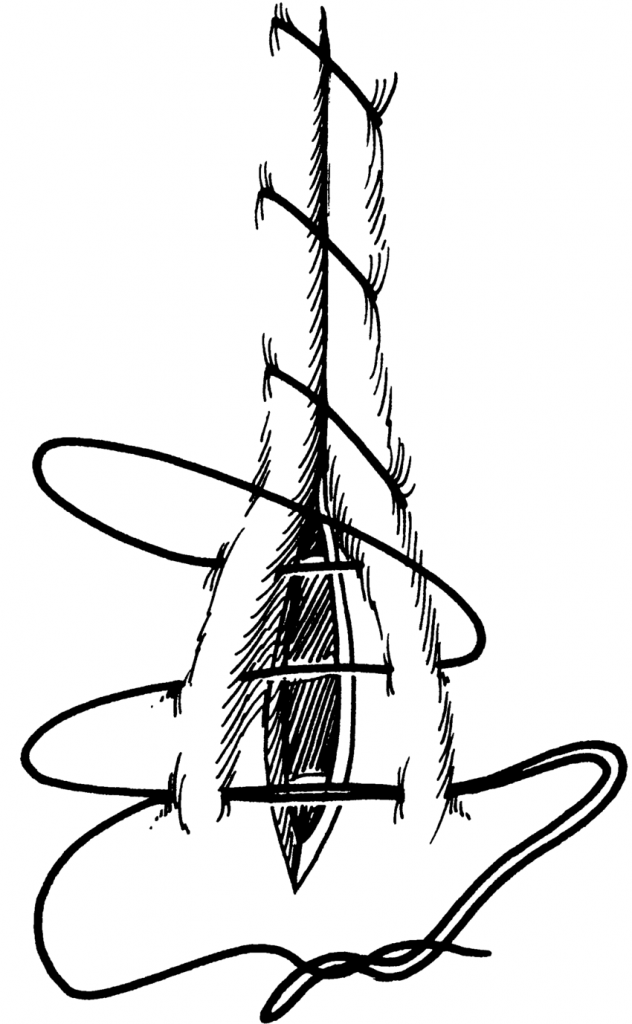
Suturing inverting suture patterns Large Animal Surgery

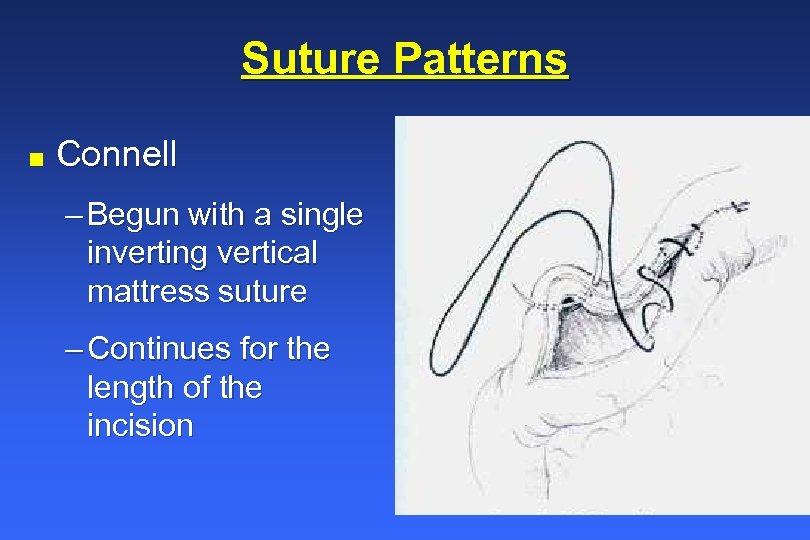
Inverting Suture PatternConnell; Cassidy Gillum YouTube

Common Suture Patterns and Suture Techniques EndoGynecology

Cushing Suture Pattern Fast, Continuous, Easy Inverting Suture

INVERTED SUTURES,Inverted Stitching, Inverting Sutures YouTube
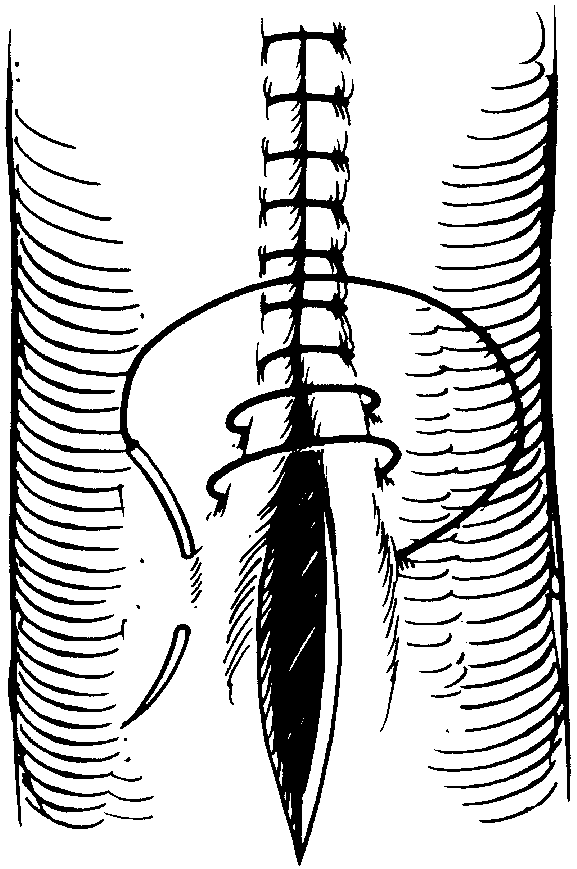
Suturing inverting suture patterns Large Animal Surgery
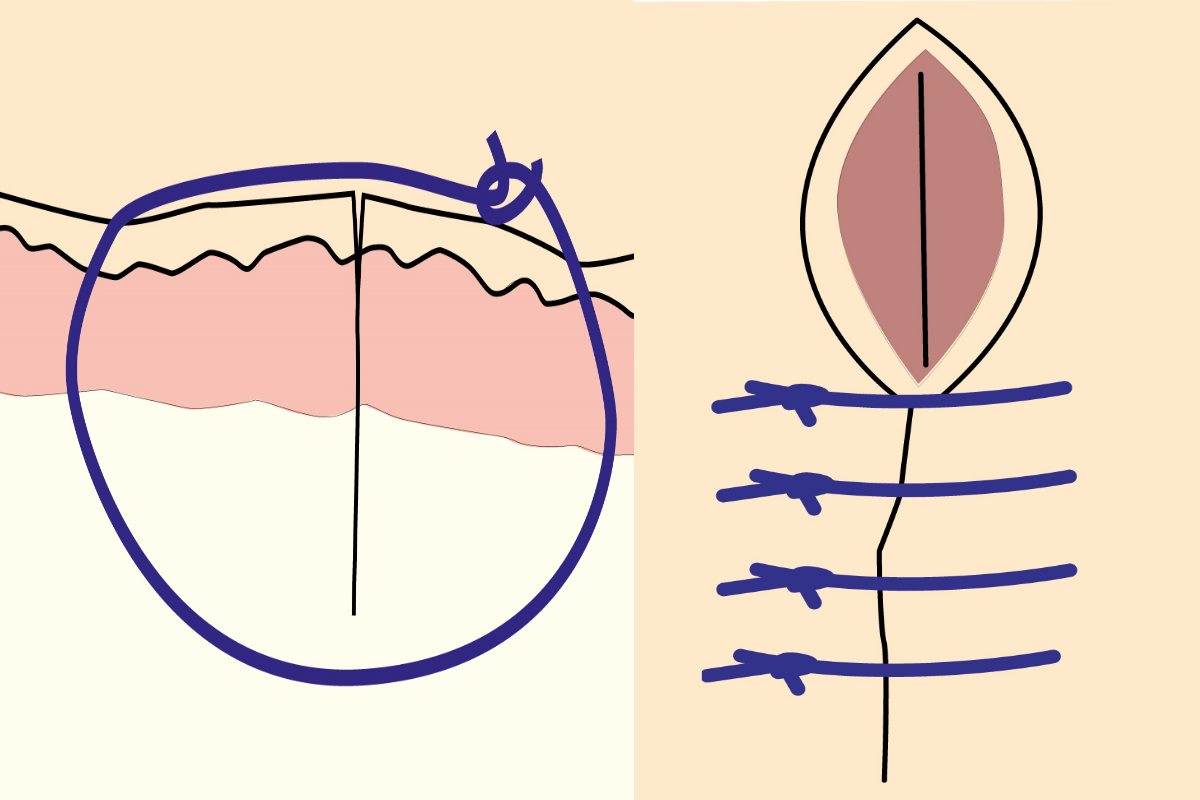
Common Suture Patterns and Suture Techniques EndoGynecology
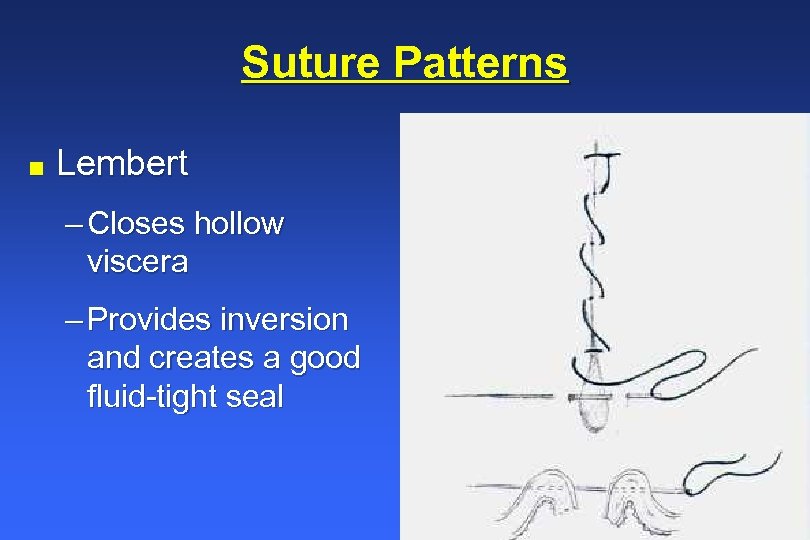
Wound Healing and Suture Knowledge ASR Certification Prep
Wound Healing and Suture Knowledge ASR Certification Prep

Figure 1 from The inverting horizontal mattress suture applications in
Web The Use Of A Specific Suture Pattern May Vary Depending On The Area Being Sutured, The Length Of The Incision, The Tension At The Suture Line, And The Specific Need For Apposition, Inversion, Or Eversion Of The Tissues.
Web This Pattern Inverts The Tissues.
Secure The Bite With A Knot.
Web Start The Pexy By Placing A Suture (#2 Pds Or Nylon) Across The Caudal Aspect Of The Dorsal Sheath.
Related Post: