
Builder Pattern Vs Factory Pattern
Builder Pattern Vs Factory Pattern - Methods for creating domain objects should delegate to a specialized factory object such that alternative implementations may be easily interchanged. Web a factory pattern creates objects based on input criteria, thus ensuring that you dont need to write code like: Web choose the factory pattern for simplicity and a common interface, while the builder pattern excels in handling complex constructions with elegance. Web formally, a builder pattern encapsulates or hides the process of building a complex object and separates the representation of the object and its construction. However, the builder pattern is concerned with how. Web i understand the difference between the factory method and builder: In software engineering, a design pattern describes an established solution to the most commonly encountered problems in software design. The key difference is how the object is. These two particular patterns create significant confusion as they have similar intentions and often work together, making it more difficult to see their major differences. Additionally, they have several “flavors” that. Web formally, a builder pattern encapsulates or hides the process of building a complex object and separates the representation of the object and its construction. Web the builder and abstract factory patterns are similar in that they both look at construction at an abstract level. In this case you'd expect a complex. Web i wish to ask another question regarding builder or factory pattern. Web i understand the difference between the factory method and builder: The key difference is how the object is. Web a factory pattern creates objects based on input criteria, thus ensuring that you dont need to write code like: If (this) { create this kind of object } else { that kind of. Web the builder pattern constructs complex objects step by step. Java has three types of design patterns: Web the builder pattern constructs complex objects step by step. In this tutorial, we’ll learn and highlight the main differences between the builder and the factory patterns. However, the builder pattern is concerned with how. Java has three types of design patterns: In this case you'd expect a complex. Web this pattern is often compared with “factory” method pattern because factory method is also an object creational dp. If (this) { create this kind of object } else { that kind of. In software engineering, a design pattern describes an established solution to the most commonly encountered problems in software design. However, the builder pattern is concerned with how.. Web a factory pattern creates objects based on input criteria, thus ensuring that you dont need to write code like: Web i wish to ask another question regarding builder or factory pattern. Java has three types of design patterns: Web choose the factory pattern for simplicity and a common interface, while the builder pattern excels in handling complex constructions with. Web the builder and abstract factory patterns are similar in that they both look at construction at an abstract level. However, the builder pattern is concerned with how. As a developer, the eternal dilemma of whether to employ the factory pattern or the builder pattern often looms large when faced with object creation. Java has three types of design patterns:. Additionally, they have several “flavors” that. Web i understand the difference between the factory method and builder: In this case you'd expect a complex. If (this) { create this kind of object } else { that kind of. Java has three types of design patterns: Additionally, they have several “flavors” that. Web the builder and abstract factory patterns are similar in that they both look at construction at an abstract level. If (this) { create this kind of object } else { that kind of. The key difference is how the object is. In contrast, the factory pattern creates objects without specifying their exact class. Web formally, a builder pattern encapsulates or hides the process of building a complex object and separates the representation of the object and its construction. Methods for creating domain objects should delegate to a specialized factory object such that alternative implementations may be easily interchanged. Web the builder and abstract factory patterns are similar in that they both look at. As a developer, the eternal dilemma of whether to employ the factory pattern or the builder pattern often looms large when faced with object creation. In this case you'd expect a complex. Methods for creating domain objects should delegate to a specialized factory object such that alternative implementations may be easily interchanged. Additionally, they have several “flavors” that. Web the. In this tutorial, we’ll learn and highlight the main differences between the builder and the factory patterns. If (this) { create this kind of object } else { that kind of. Methods for creating domain objects should delegate to a specialized factory object such that alternative implementations may be easily interchanged. In this case you'd expect a complex. Web the. Web a factory pattern creates objects based on input criteria, thus ensuring that you dont need to write code like: In software engineering, a design pattern describes an established solution to the most commonly encountered problems in software design. In contrast, the factory pattern creates objects without specifying their exact class. As a developer, the eternal dilemma of whether to. As a developer, the eternal dilemma of whether to employ the factory pattern or the builder pattern often looms large when faced with object creation. Web a factory pattern creates objects based on input criteria, thus ensuring that you dont need to write code like: The key difference is how the object is. Web formally, a builder pattern encapsulates or hides the process of building a complex object and separates the representation of the object and its construction. Additionally, they have several “flavors” that. Java has three types of design patterns: Web the builder and abstract factory patterns are similar in that they both look at construction at an abstract level. Web choose the factory pattern for simplicity and a common interface, while the builder pattern excels in handling complex constructions with elegance. Web the builder pattern constructs complex objects step by step. In contrast, the factory pattern creates objects without specifying their exact class. (i read that builder is more complex than factory, and i may not need to use builder for now). Web the builder pattern is more about building complex objects that may or may not be (but probably are) of a known type. Web i understand the difference between the factory method and builder: Methods for creating domain objects should delegate to a specialized factory object such that alternative implementations may be easily interchanged. Web i wish to ask another question regarding builder or factory pattern. However, the builder pattern is concerned with how.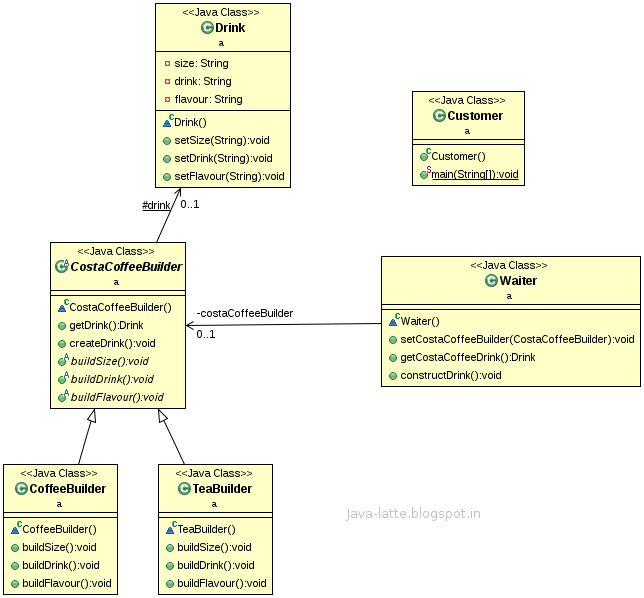
JavaLatte Builder Design Pattern in Java
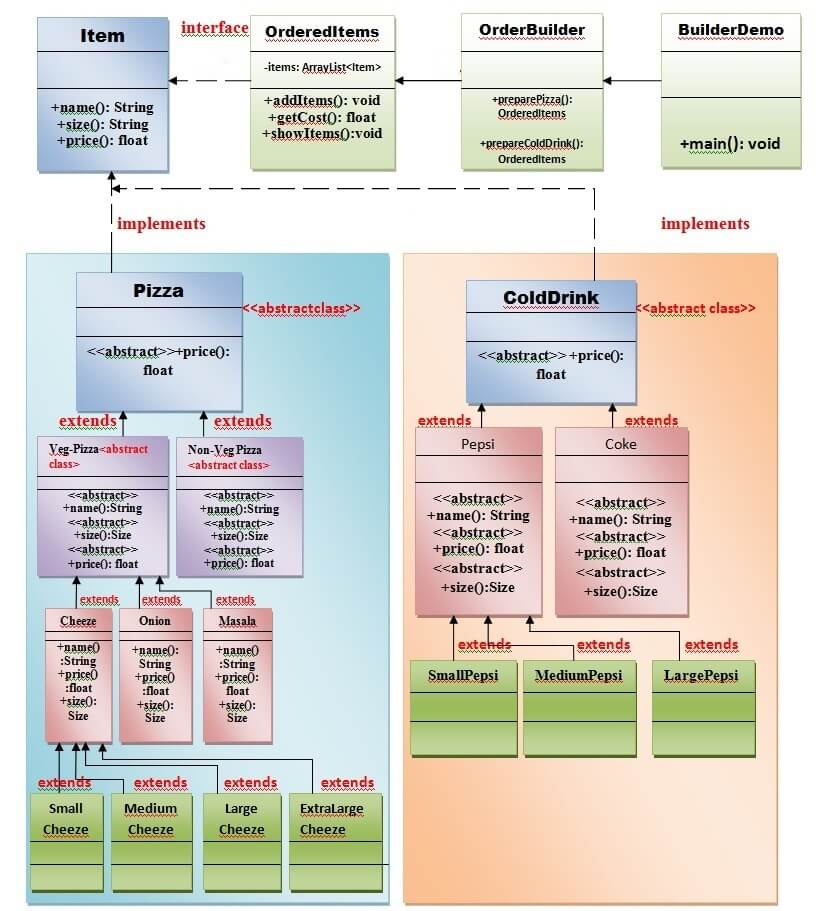
Factory Vs Builder Understanding The Difference In Design Patterns
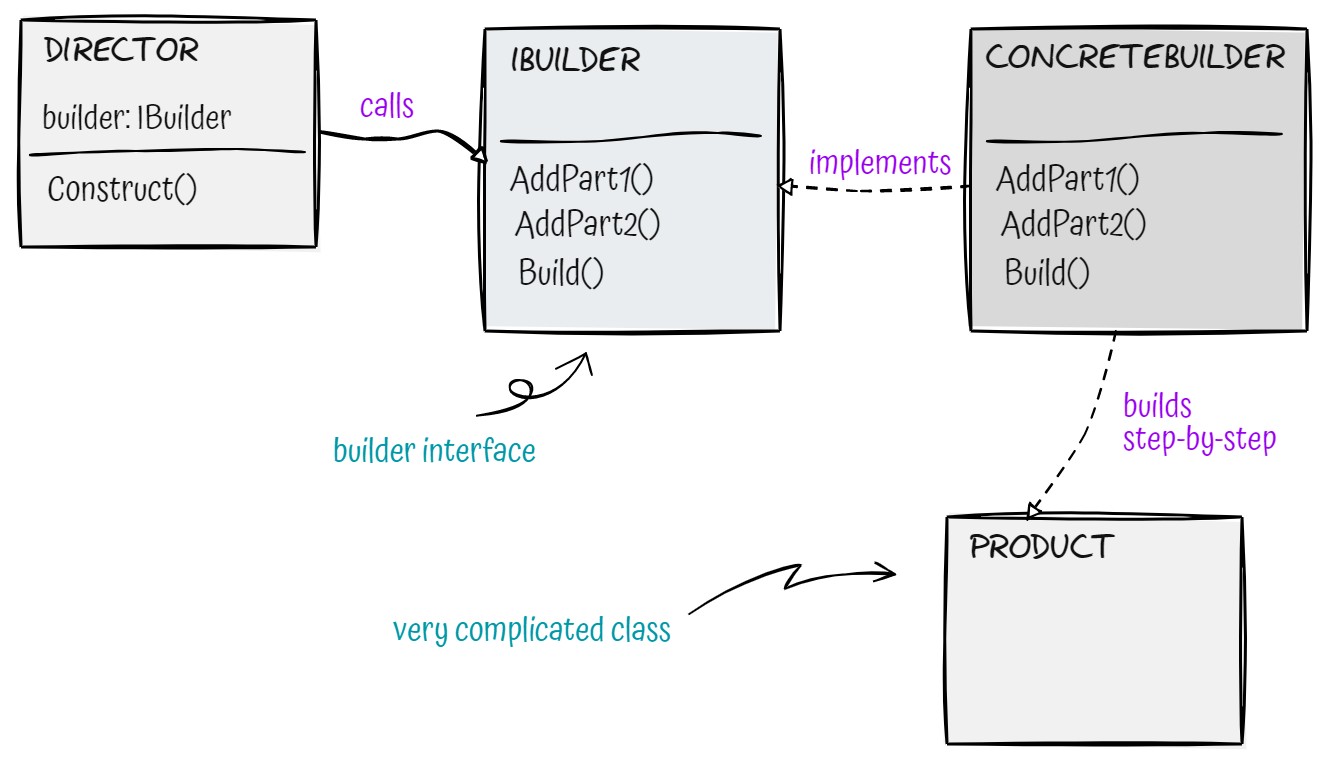
Builder vs Factory Method Pattern An InDepth Comparison

builder vs factory pattern Trust In Geeks
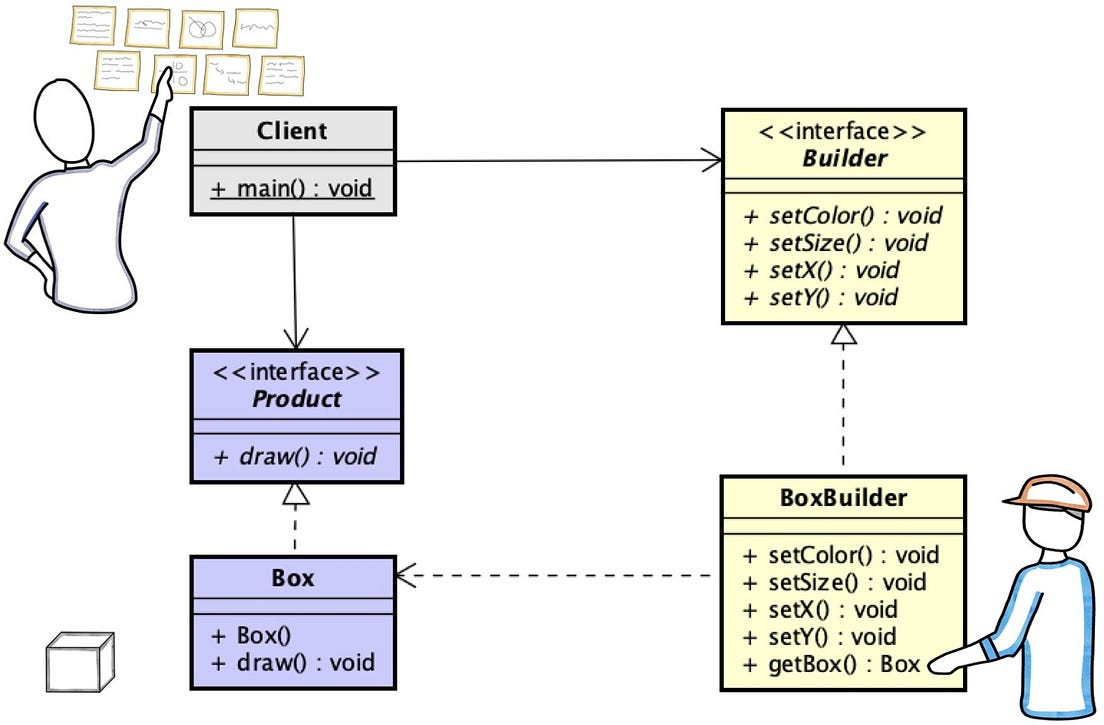
Software Design Patterns Factory and Builder in a Nutshell by Javier
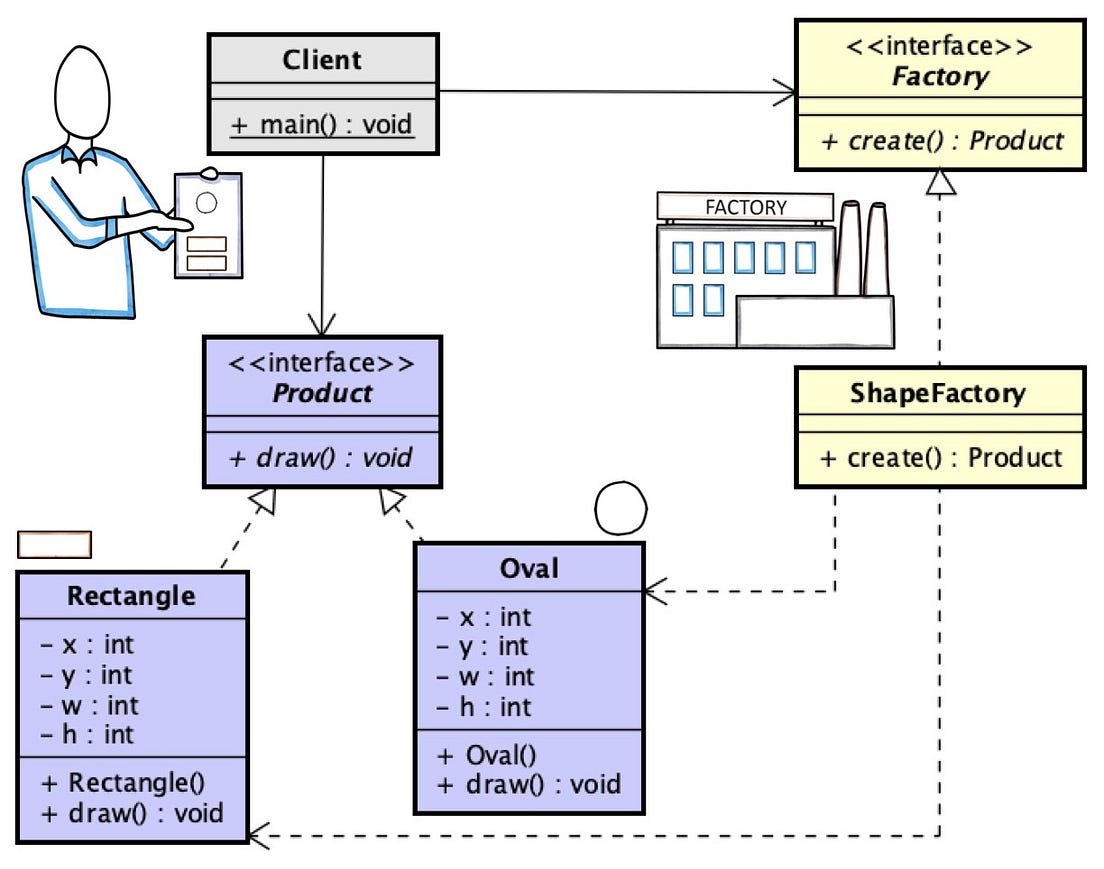
Software Design Patterns Factory and Builder in a Nutshell by Javier
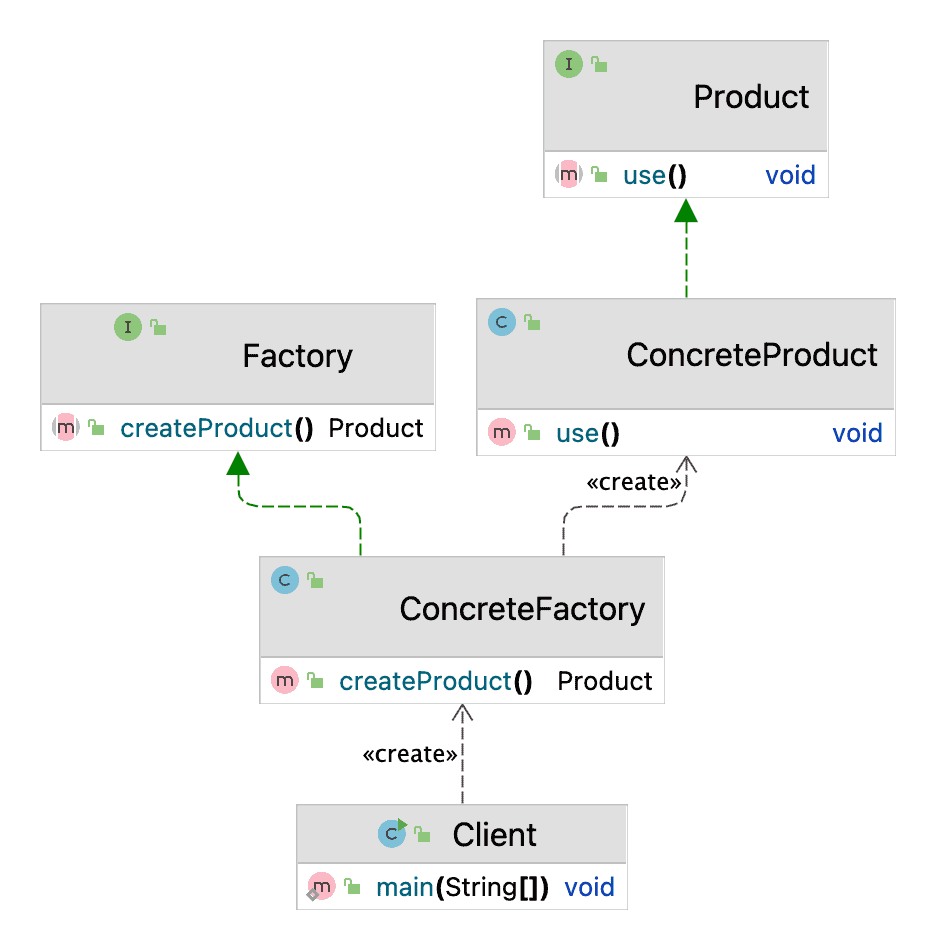
Builder Pattern vs. Factory Pattern Baeldung on Computer Science
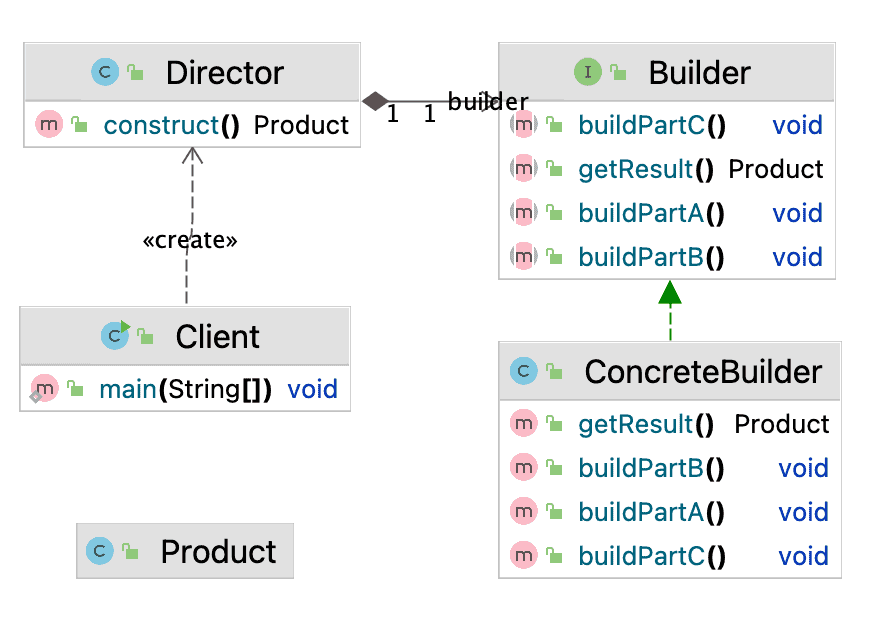
Builder Pattern vs. Factory Pattern Baeldung on Computer Science
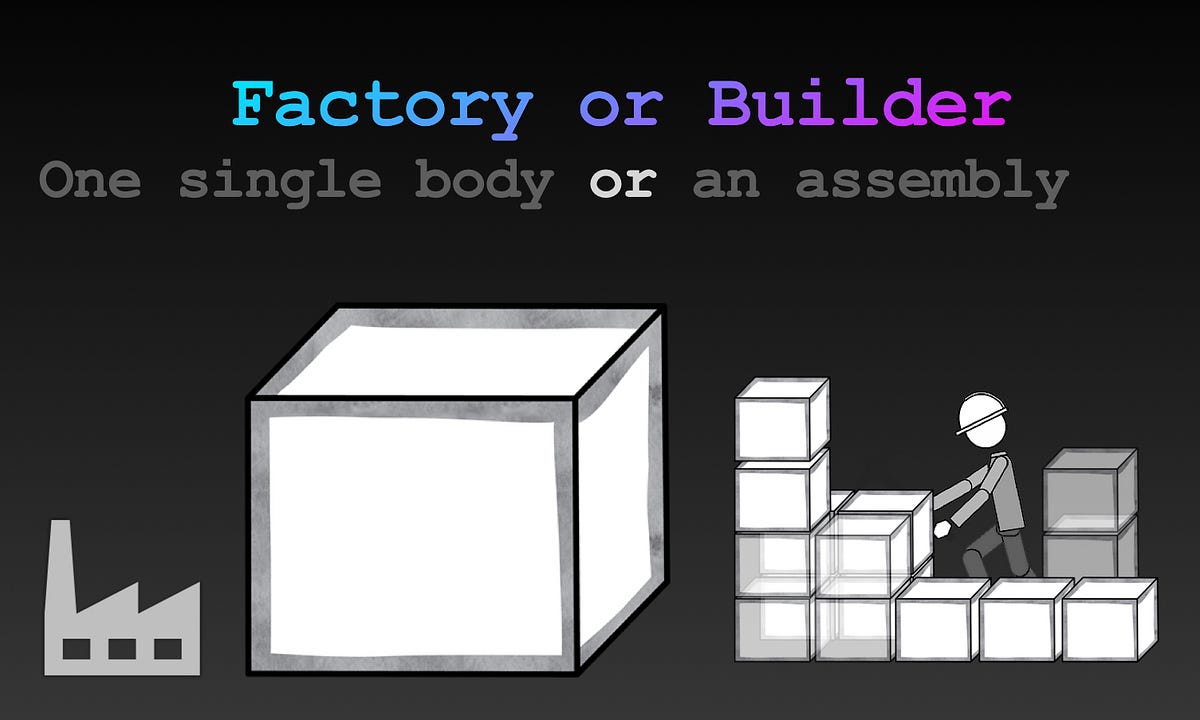
Software Design Patterns Factory and Builder in a Nutshell by Javier

JAVA Difference between Builder, Factory, and Abstract Factory
In This Case You'd Expect A Complex.
Web The Factory Pattern Simplifies The Creation Process By Delegating It To Subclasses, Which Determine The Type Of Object To Be Created.
These Two Particular Patterns Create Significant Confusion As They Have Similar Intentions And Often Work Together, Making It More Difficult To See Their Major Differences.
In This Tutorial, We’ll Learn And Highlight The Main Differences Between The Builder And The Factory Patterns.
Related Post: